

The Japanese Grand Prix has been pivotal in Formula 1, showcasing Japan’s passion for motorsport and commitment to world-class events. From the legendary Suzuka Circuit to its thrilling moments, the Grand Prix has left a lasting mark, blending tradition with high-speed innovation.
Early Beginnings
The Japanese Grand Prix’s origins date back to 1963 at the Suzuka Circuit, a venue renowned for its iconic figure-eight layout. Suzuka quickly gained favor among drivers and fans due to its intricate design and challenging corners. This sets the stage for thrilling races that captivated motorsport enthusiasts globally.
In 1976, the Grand Prix relocated to Fuji Speedway, a track distinguished by its long straightaways and the picturesque backdrop of Mount Fuji. Fuji played a crucial role in World Championship races, witnessing some of Formula 1’s most dramatic moments and presenting a formidable setback for drivers and teams.
Despite Fuji’s significance, Suzuka Circuit eventually regained its status as the primary venue for the Japanese Grand Prix. The return to Suzuka was celebrated, as its demanding nature and storied narrative made it a cherished location in the racing community. Although Fuji briefly hosted the race again in 2007 and 2008, Suzuka remains the symbolic heart of Japanese motorsport.
Joining the FIA Calendar
The Japanese Grand Prix first appeared on the FIA calendar in 1976, with Fuji Speedway hosting the inaugural race. In 1987, Suzuka Circuit became the primary venue and has hosted most of the races since then. Fuji Speedway temporarily reclaimed the event in 2007 and 2008.
Suzuka Circuit Era
In 1987, Suzuka Circuit made its grand entrance into the Formula 1 world, captivating drivers with its challenging figure-eight layout and distinctive design. The inaugural Japanese Grand Prix at Suzuka quickly became a key event on the racing calendar, elevating Japan’s status among motorsport enthusiasts globally.
Situated southwest of Nagoya, Suzuka Circuit is celebrated for its technical intricacy. Drivers appreciated its fast, sweeping corners and the iconic Spoon Curve, which requires exceptional precision and skill. The circuit’s rare figure configuration set it apart from other tracks, testing even the most seasoned racers.
Since its debut, Suzuka has garnered a prestigious reputation, becoming one of the most iconic venues in Formula 1. The Japanese Grand Prix at Suzuka isn’t merely another race; it’s a rigorous test of driver skill and vehicle performance. Over the years, Suzuka has been the backdrop for countless memorable moments and dramatic finishes, solidifying its place in the annals of Formula 1.
Fuji Speedway Return
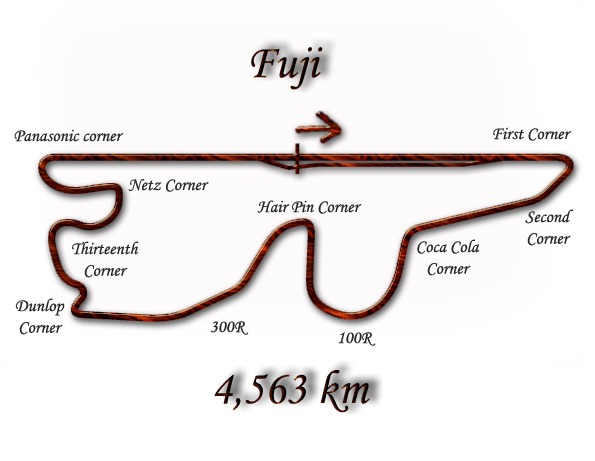
Fuji Speedway’s return to the FIA Formula One calendar in 2007, after 30 years, brought excitement to motorsport fans. Toyota’s announcement highlighted the track’s modernization and readiness for world-class racing. Significant redesigns in 2006 ensured the circuit met modern safety and technical standards.
In its comeback year, Lewis Hamilton won the Japanese Grand Prix at Fuji under challenging wet conditions, adding to the circuit’s memorable moments. Although Fuji’s return was brief, lasting only until 2008, it left a lasting impression on fans and drivers. The alternating arrangement with Suzuka Circuit from 2009 aimed to blend Fuji’s modern flair with Suzuka’s classic charm.
Fuji Speedway Era
Explore the Fuji Speedway Era, starting with its thrilling 1976 debut that decided the World Championship. Discover unforgettable races and the impact of Hermann Tilke’s 2006 redesign, amplifying the track’s pivotal role in Formula 1 records.
Initial Grand Prix Debut
With the roar of engines echoing through Oyama, the Japanese Grand Prix made its thrilling debut at Fuji Speedway in 1976. This marked a significant moment as it was the first time Japan hosted a Formula 1 race. Fuji Speedway, situated in the foothills of Mount Fuji, provided a dramatic and picturesque backdrop for this inaugural event.
The excitement was palpable as the race decided the World Championship that year, drawing global attention to Japan’s motorsport scene. The track’s unique layout and scenic location quickly became a favorite among drivers and fans alike. By hosting the first F1 race in Japan, Fuji Speedway played a significant role in integrating the country into the global motorsport community.
Memorable Races Highlights
The Fuji Speedway chapter of the Japanese Grand Prix has delivered some of the most unforgettable moments in Formula 1 history. Here are some of the standout highlights from Fuji Speedway’s storied past:
- 1976 World Championship: In 1976, amidst torrential rain, James Hunt clinched the World Championship title at Fuji Speedway. Niki Lauda made the courageous decision to withdraw due to dangerous conditions.
- 1988 Ayrton Senna Victory: In 1988, Ayrton Senna showcased his extraordinary skill and determination by battling through relentless rain to secure a victory. This amplified his status as one of the greatest drivers in the sport.
- 2007 and 2008 Return: Fuji Speedway’s return to the F1 calendar in 2007 and 2008 produced thrilling races that tested drivers’ skills and strategies. These events continued the tradition of Fuji being a venue where legends and modern F1 heroes made stories.
Track Modifications Impact
Fuji Speedway’s 2006 track modifications significantly reshaped racing dynamics, enhancing safety and performance for drivers and spectators. Changes to the layout and facilities affected cornering speeds and lap times, making races more competitive.
The primary goal was to improve safety by reconfiguring sections of the track, adding enhanced runoff areas, and better track surfaces. These updates preserved Fuji Speedway’s historical significance while appealing to Formula 1 teams and fans worldwide.
Iconic Moments
View this post on Instagram
Iconic moments at the Japanese Grand Prix have etched unforgettable memories into the hearts of motorsport fans worldwide. From Lewis Hamilton’s masterclass in torrential rain in 2007 to Max Verstappen’s historic victory in 2022. The Suzuka Circuit has been the stage for some of Formula 1’s most memorable events.
Imagine the thrill of watching Sebastian Vettel clinch the World Championship in 2011, a milestone that solidified his status as a top-tier driver. Recall the emotional roar of the crowd when Kamui Kobayashi secured a podium finish in 2012, bringing pride to Japanese motorsport fans.
Here’s a glimpse of these iconic moments:
| Year | Driver | Iconic Moment |
|---|---|---|
| 2007 | Lewis Hamilton | Victory in torrential rain |
| 2011 | Sebastian Vettel | Clinching the World Championship |
| 2012 | Kamui Kobayashi | A podium finish in front of the home crowd |
| 2014 | Jules Bianchi | Tragic accident |
| 2022 | Max Verstappen | Securing his second World Championship title |
Safety Improvements
View this post on Instagram
After experiencing both triumph and tragedy at the Suzuka Circuit, it’s clear that safety improvements have become a top priority at the Japanese Grand Prix. The fatal accident of Jules Bianchi in 2014 marked a notable moment, prompting significant changes aimed at preventing similar incidents in the future. In response, several track modifications were implemented to enhance driver safety.
Here are three key safety improvements introduced at the Suzuka Circuit:
- Improved Drainage Systems: Enhanced drainage systems were installed to prevent water accumulation on the track, thereby reducing the risk of hydroplaning.
- Relocation of Cranes: Cranes were repositioned to safer locations, ensuring they didn’t pose a danger during recovery operations.
- New Safety Protocols: Updated safety protocols and procedures were established, including improved communication systems and stricter guidelines for track marshals.
Current Significance
The annals of the Japanese Grand Prix is filled with memorable moments, from dramatic title deciders to heart-stopping races. These events have significantly contributed to the rich lore of Formula One. Despite disruptions like the COVID-19 pandemic, the event has rebounded, reaffirming its importance in the motorsport world.
The race draws a large international audience, underscoring the enduring appeal of Formula One. The combination of elite competition and a passionate fan base ensures that the Japanese Grand Prix remains an unforgettable experience each year. This solidifies its status as a key fixture in the Formula One World Championship.
Frequently Asked Questions
What Happened at the F1 Race in Japan?
The F1 race in Japan featured unpredictable weather and thrilling victories. Suzuka’s demanding layout tested the drivers’ skills, while safety modifications implemented after the 2014 typhoon aimed to enhance overall safety.
What Is the Most Famous F1 Race in History?
One of the most famous F1 races in record is the 1988 Japanese Grand Prix. Ayrton Senna’s remarkable comeback after stalling at the start to win the World Championship by a 13-second lead is considered iconic and unforgettable.
What Is the History of the Grand Prix?
It began in 1906 in France and evolved into the Formula 1 World Championship in 1950. Since then, it has featured iconic races, legendary drivers, and groundbreaking automotive technology, solidifying its place as a premier motorsport event.
Conclusion
The Japanese Grand Prix continues to be a cornerstone of the Formula 1 season, celebrated for its unique blend of technical challenge and vibrant atmosphere. Its influence extends beyond the racetrack, inspiring a generation of motorsport enthusiasts and contributing to the global popularity of Formula 1.
