

Opel’s evolution from a sewing machine manufacturer to a prominent automobile producer is a testament to its adaptability and innovation. Established in 1862 by Adam Opel, the company initially focused on sewing machines before expanding into bicycle production in the late 19th century. By the early 20th century, Opel had entered the automotive market, quickly establishing itself as a key player with a reputation for quality and reliability.
Curious about how a sewing machine company became Germany’s largest carmaker by 1928? Let’s delve deeper into this fascinating transformation.
Founding and Early Years

Opel’s journey began in 1862 when Adam Opel established a sewing machine workshop in Rüsselsheim, Germany. This modest start laid the foundation for what would eventually become a significant player in the automotive industry.
Initially, the company focused on producing high-quality sewing machines, earning a strong market reputation for reliability and innovation. This early success provided the financial and technical base necessary for future ventures.
Opel’s expertise in precision engineering extended beyond sewing machines. The skills and knowledge developed during this period were crucial for the company’s later ventures into vehicle manufacturing. This phase was instrumental in building a robust infrastructure and skilled workforce, which facilitated Opel’s seamless transition into the automotive industry.
Transition to Bicycles

Opel’s transition from sewing machines to high-wheel bicycles in 1886 was a strategic move to diversify its product line. By entering the mobility sector, Opel not only broadened its market reach but also achieved significant success, becoming the world’s largest bicycle manufacturer by the 1920s.
This accomplishment highlighted Opel’s commitment to innovation and quality, setting the stage for future growth.
Expanding Product Line
In 1886, Opel expanded its product line to include high-wheel bicycles, marking a significant move beyond its original focus on sewing machines. This strategic diversification allowed Opel to capitalize on the burgeoning popularity of bicycles, evolving from a side project into a full-fledged venture. By the 1920s, Opel had become the world’s largest bicycle manufacturer.
This period highlighted Opel’s adaptability and entrepreneurial prowess. They didn’t merely enter the bicycle market; they dominated it, earning a reputation as a household name. Here’s a snapshot of Opel’s diverse product line during this era:
| Year | Product |
|---|---|
| 1862 | Sewing Machines |
| 1886 | High-Wheel Bicycles |
| 1890s | Safety Bicycles |
| 1900s | Motorcycles |
| 1920s | Automobiles |
The foray into bicycle manufacturing proved highly profitable and set the stage for Opel’s future ventures in the automotive industry. This move underscored their innovative capabilities and their ability to pivot and grow in new directions, laying a strong foundation for long-term growth and diversification.
Entry Into Mobility
Witnessing the growing popularity of bicycles, Opel strategically entered the bicycle manufacturing market in 1886. Transitioning from sewing machines to high-wheel bicycles, Opel demonstrated adaptability and a keen awareness of market trends. This move highlighted Opel’s forward-thinking spirit as they ventured into the burgeoning mobility sector.
By shifting focus to high-wheel bicycles, Opel didn’t just diversify its product line; it laid essential groundwork for future endeavors. High-wheel bicycles, with their distinctive large front wheels, were highly popular at the time, and Opel seized this opportunity to expand and evolve. This entry into bicycle manufacturing underscored Opel’s commitment to quality and efficiency, traits that would become synonymous with the brand.
Opel’s foray into the bicycle market was a calculated step reflecting their vision of mobility. This shift from sewing machines to bicycles marked a significant chapter in Opel’s history, illustrating its capacity for strategic evolution and expansion. By embracing the high-wheel bicycle trend, Opel set the stage for its eventual leap into automotive manufacturing, showcasing its foresight and adaptability.
Bicycles’ Market Success
This strategic decision not only diversified Opel’s product offerings but also cemented its place in automotive history.
Several factors contributed to this success:
- Demand Surge: High-wheel bicycles were highly fashionable, and Opel’s lightweight, fast designs met consumer desires perfectly.
- Profit Margins: Selling high-wheel bicycles generated significantly higher profit margins compared to sewing machines.
- Global Reach: By the 1920s, Opel had become the world’s largest bicycle manufacturer, showcasing its market dominance.
These bicycles represented more than just a new product line; they were a strategic pivot that established Opel’s strong presence in the transportation industry. As demand increased, Opel’s reputation for quality and innovation grew, enabling the company to expand its market reach and lay the groundwork for future ventures into other mobility solutions.
Entry Into Automobiles
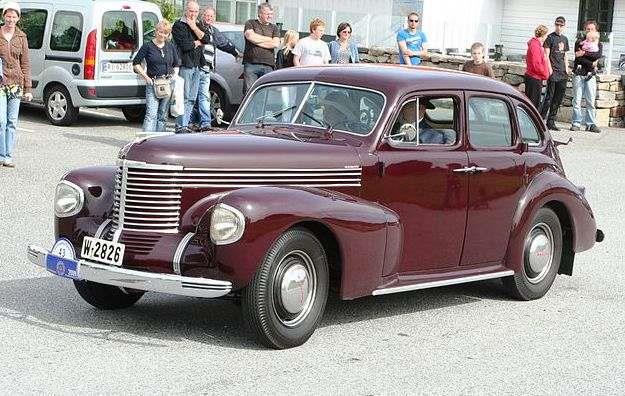
Opel’s entry into the automobile industry in 1899 with the production of the Opel Patentmotorwagen System Lutzmann marked the start of a transformative era for the company. Their early innovations in vehicle manufacturing laid the groundwork for rapid growth and market expansion.
First Automobile Production
Have you ever wondered how Opel made its leap into the automobile industry? In 1899, after acquiring a car factory, Adam Opel’s sons boldly ventured into the realm of automobiles. Their first vehicle, the Opel Patentmotorwagen System Lutzmann, marked a significant transition from the company’s earlier focus on sewing machines and bicycles.
By 1906, Opel had produced 1,000 vehicles, establishing itself as a serious contender in the automotive market. They even became a supplier to the imperial court, a testament to the quality and reliability of their automobiles. This early success laid the foundation for Opel’s future growth and innovation.
Key highlights of Opel’s early automobile production include:
- Debut Automobile: The Opel Patentmotorwagen System Lutzmann set the stage for the company’s future developments.
- Production Milestone: By 1906, Opel had produced 1,000 vehicles, showcasing their capability and commitment.
- Market Recognition: Supplying the imperial court highlighted Opel’s rising prominence in the automotive industry.
Opel’s early achievements in automobile production were crucial in shaping its path to becoming Germany’s largest carmaker by 1928.
Early Vehicle Innovations
Opel’s early vehicle innovations distinguished the company in the burgeoning automobile industry. After Adam Opel’s sons acquired a car factory in 1899, they produced the pioneering Opel Patentmotorwagen System Lutzmann, marking their entry into automobile production. This transition from sewing machines to automobiles showcased Opel’s innovative spirit.
Among their early models, the Opel 4/8PS, known as the ‘Doktorwagen,’ stood out for its reliability, making it a favorite among professionals like doctors who needed dependable transportation. By 1928, Opel’s commitment to innovation and quality had made them Germany’s largest carmaker, boasting a 38% market share.
Here are some key early vehicle innovations by Opel:
| Year | Model | Notable Feature |
|---|---|---|
| 1899 | Patentmotorwagen Lutzmann | First Opel automobile |
| 1902 | Opel 10/12 HP | Enhanced engine performance |
| 1909 | Opel 4/8PS ‘Doktorwagen’ | Renowned for reliability |
| 1924 | Opel Laubfrosch | Introduced mass production |
| 1928 | Opel Regent | Entry into luxury vehicles |
Market Expansion Strategy
Recognizing a strategic opportunity, Opel entered the automobile market in 1899 by acquiring a car factory, marking a decisive shift from its previous focus on sewing machines and bicycles. This bold move enabled the company to transition seamlessly into car manufacturing, leading to the production of its inaugural automobile, the Opel Patentmotorwagen System Lutzmann, in the same year.
By establishing a dedicated production facility, Opel set the stage for mass production and innovation. This strategic positioning allowed Opel to scale its operations efficiently and respond effectively to market demands. The company’s emphasis on quality and reliability quickly earned it a significant market share, propelling it to become Germany’s largest carmaker by 1928, with a substantial 38% market share.
Opel’s entry into the automotive industry was pivotal, as it not only expanded its product line but also enhanced its market presence. This expansion strategy proved to be a critical growth driver, solidifying Opel’s status as a major player in the European automotive market.
Key elements of Opel’s strategy included:
- Innovative Production Techniques: The adoption of advanced manufacturing methods to enhance efficiency.
- Strategic Market Penetration: Focusing on capturing a significant share of the growing automobile market.
- Brand Evolution: Transitioning from sewing machines and bicycles to become a leading car manufacturer.
Pre-War Innovations
Opel’s pre-war innovations laid the groundwork for its dominance in the automotive industry through the introduction of groundbreaking models and pioneering mass-production techniques.
In the early 1920s, Opel revolutionized vehicle production by implementing the assembly line, greatly enhancing efficiency and output. This innovation allowed Opel to manufacture cars more quickly and affordably, making them accessible to a broader audience.
A standout model from this period was the Opel 4/8PS ‘Doktorwagen,’ launched in 1909. Known for its reliability and durability, it quickly gained popularity among doctors who needed a dependable vehicle for house calls. This model cemented Opel’s reputation for producing robust and dependable cars.
Impact of World War II
World War II had a profound impact on Opel, redirecting its industrial focus and creating significant post-war challenges. With factories repurposed for the German war effort, Opel transitioned from civilian automobile production to manufacturing military vehicles, engines, and munitions, including trucks, tanks, and aircraft components.
However, this shift came at a high cost. Allied bombings severely damaged Opel’s facilities, disrupting production and affecting its European operations. As a subsidiary of General Motors, an American company, Opel’s situation was further complicated by the wartime alliances and conflicts.
- Production Shift: Redirecting resources from civilian to military production strained Opel’s capabilities and significantly altered its industrial focus.
- Infrastructure Damage: Allied bombings led to the destruction of many Opel factories, halting production and necessitating extensive rebuilding efforts post-war.
- Operational Challenges: The conflict between Opel’s role in German wartime production and its ownership by an American parent company created complex strategic and operational dilemmas.
These factors collectively reshaped Opel’s operations in Europe, setting the stage for the company’s post-war recovery and future challenges.
Post-War Recovery
Rebuilding its manufacturing capabilities after WWII, Opel focused on producing affordable vehicles to support post-war recovery. The company’s transformation from initially producing sewing machines to becoming a key player in the automotive industry is remarkable.
Post-war, Opel strategically invested in technology and innovation, which were crucial for reviving its production facilities and meeting the growing demand for automobiles in the 1950s and 1960s.
To understand Opel’s success during this period, consider the following:
- Expansion of Production Facilities: Opel significantly expanded its manufacturing plants to meet increased automotive demands, ensuring timely delivery and enhanced production efficiency.
- Emphasis on Quality and Reliability: By focusing on producing durable and dependable vehicles, Opel built a loyal customer base and solidified its market position.
- Technological Advancements: Investing in modern technologies and manufacturing processes allowed Opel to produce more advanced and cost-effective vehicles that appealed to a broad range of consumers.
These efforts not only enabled Opel to recover but also set the foundation for its future growth. The company’s commitment to quality and innovation became a hallmark of its brand, helping it navigate the competitive post-war automotive landscape successfully.
Expanding Model Range
Opel expanded its model range during the post-war recovery by launching popular vehicles like the Opel Olympia Rekord in 1953 and reintroducing the Opel Kapitän in 1948. These moves were pivotal in re-establishing Opel’s presence in the automotive market. The Olympia Rekord quickly gained popularity due to its modern design and reliability, while the reintroduced Kapitän, originally launched in 1938, catered to customers seeking a more luxurious ride.
In 1962, Opel launched the Kadett, a compact family car that became a best-seller. This model was essential in broadening Opel’s appeal to a wider audience, offering an affordable yet stylish option for families. The success of the Kadett demonstrated Opel’s ability to meet diverse customer needs effectively.
Additionally, Opel introduced the Admiral, a post-WWII luxury car that further diversified its lineup. By producing such a wide range of vehicles, Opel catered to different segments of the market, from practical family cars to luxury sedans. This strategy of diversification greatly contributed to Opel’s robust recovery and growth in the post-war years.
Expansion and Growth
Embracing new opportunities, Opel transitioned from sewing machines to bicycles in the 1880s, driven by higher demand and profitability. This strategic pivot paved the way for Opel’s entry into the automotive industry. By 1901, Opel had partnered with the French automaker Darracq S.A., a collaboration that was pivotal in establishing Opel’s automotive division.
By the 1930s, Opel had become the largest car manufacturer in Europe, capturing a significant market share. This growth wasn’t only about increasing production but also involved innovative approaches to car manufacturing and marketing. During these decades, Opel and Vauxhall, another brand under the same corporate umbrella, worked together to strengthen their presence in the European automotive market.
- Opel ceased sewing machine production before World War I to focus entirely on automobiles.
- The company sold off its bicycle business in the 1920s to dedicate resources to car manufacturing.
- Opel’s partnership with Darracq S.A. was instrumental in its early automotive success.
In 2017, Opel and Vauxhall became part of the PSA Group, marking a new chapter in their storied history.
Modern Era Milestones

Building on its legacy of innovation and growth, the contemporary period has seen Opel achieve significant milestones in automotive design and technology. As a German automaker with a storied history, Opel has consistently pushed the boundaries of what’s possible in the automotive world.
In 2008, Opel introduced the Opel Insignia, a model that quickly garnered acclaim, winning the prestigious European Car of the Year award in 2009. This accolade underscored Opel’s commitment to quality and cutting-edge design. The Insignia’s success exemplifies how Opel continues to lead in automotive innovation.
Opel’s ventures into different vehicle segments have also marked its modern era. The introduction of the Opel Frontera in 1991 signaled Opel’s entry into the SUV market, diversifying its product lineup and meeting growing consumer demand for versatile vehicles.
Opel maintains a strong partnership with its sister brand Vauxhall, allowing both brands to share technology and design advancements. This collaboration has solidified their positions in the automotive industry. Together, Opel and Vauxhall have built a reputation for delivering reliable, stylish, and technologically advanced vehicles, ensuring their continued relevance in a competitive market.
Global Market Presence
The acquisition of Opel by French automaker Groupe PSA in 2017 opened new avenues for expansion. This strategic move allowed Opel to integrate into a broader network, enhancing its global presence and technological capabilities.
Key factors contributing to Opel’s global market success include:
- Strong Sales Figures: Opel’s consistent sales performance has solidified its position as a leading passenger car brand in Europe.
- Wide Customer Base: The brand appeals to a diverse range of consumers, reflecting its broad acceptance in the automotive world.
- Innovative Vehicles: Opel’s commitment to innovation ensures that its cars meet the evolving needs of modern drivers, keeping the brand relevant and competitive.
Opel continues to play a crucial role in shaping automotive trends, leveraging its global reach to maintain a competitive edge.
Iconic Models and Design
Opel has a rich history of introducing iconic models that exemplify the brand’s unique design and engineering excellence. The Opel GT, launched in 1968, is a prime example. With its sleek, sporty coupe design and pop-up headlights, the GT quickly became a symbol of style and innovation. Another standout is the Opel Kadett, introduced in 1936, which became a popular choice for drivers seeking reliability and practicality in a compact car.
The Opel Manta, produced from 1970 to 1988, added flair to Opel’s lineup with its distinctive front end and sporty performance, making it a favorite among enthusiasts. The Opel Corsa, first introduced in 1982, has been a versatile and compact hatchback, becoming one of Opel’s best-selling models. Lastly, the Opel Insignia serves as the brand’s flagship sedan, known for its elegant design and advanced technology.
Here’s a quick glance at some of Opel’s iconic models:
| Model | Year Introduced | Key Features |
|---|---|---|
| Opel GT | 1968 | Sleek design, pop-up headlights |
| Opel Kadett | 1936 | Reliability, practicality |
| Opel Manta | 1970 | Stylish coupe, sporty performance |
| Opel Corsa | 1982 | Versatile, compact hatchback |
| Opel Insignia | 2008 | Elegant design, advanced technology |
These models highlight Opel’s enduring commitment to quality and innovation across decades.
Frequently Asked Questions
What Is the History of Opel?
Opel’s history began in 1862 when it was founded to manufacture sewing machines. The company diversified into bicycle production in 1886 and entered the automotive industry in 1899. By 1928, Opel had become the leading car manufacturer in Germany. In 1929, General Motors acquired a majority stake in the company.
Why Did General Motors Sell Opel?
General Motors sold Opel to streamline operations and concentrate on core markets. By divesting Opel, GM alleviated financial burdens and redirected resources to more profitable ventures, representing a significant shift in their global strategy.
What Is Opel Called in the Usa?
Opel isn’t sold under its own name in the USA. Instead, Opel models are rebadged as Buicks or Saturns. General Motors uses Opel’s engineering for some American vehicles, adapting them to fit local preferences.
What Happened to the Opel Car?
Opel cars are still in production and available in over 60 countries. Following the acquisition by PSA Group in 2017, they are now owned by Stellantis. In the UK, Opel vehicles are marketed under the Vauxhall Motors brand.
Conclusion
You’ve just taken a whirlwind tour through Opel’s fascinating history. From its humble beginnings in sewing machines to its dominance in the automotive industry, Opel’s journey is marked by relentless innovation and adaptability. The company has weathered wars, expanded globally, and introduced iconic models that have left a lasting impression on car enthusiasts worldwide.
As you reflect on Opel’s narrative, it’s clear that their legacy is built on precision, ingenuity, and an unwavering drive to keep moving forward.
