
Introduction to Automation in Automotive Manufacturing
Automation has been a game changer in the entire manufacturing industry and the automotive sector is no exception. Since the inception of the Ford-T model in the early 20th century, the invention of assembly lines, rudimentary robotics and the more modern CNC machining, this industry has had a rather rapid evolution. However, this is merely the beginning as artificial intelligence and machine learning are also leaving an impact on automation itself. This article will cover the role of automation in this sector, its benefits, current automation trends and technologies that will become big in the future.
The Importance of Automation in Modern Car Production
The importance of automation in the modern automotive manufacturing sector is rather straightforward. Whether it is increasing production, improving machining accuracy, reducing instances of downtime and reducing the use of manual labour, automation plays a key role in all these aspects. Furthermore, automation can also contribute significantly towards improving sustainability, as seen in the subsequent sections.
Benefits of Automation in the Automotive Sector
Here are a few myriad benefits of automation in this particular sector:
Improved Efficiency and Productivity
In this case, efficiency refers to not just making the process faster, but also more accurate, as repeated reworks and finishing will lower turnaround time. Therefore, by employing automation, the overall accuracy and efficiency of the manufacturing and assembly process are increased significantly. Another direct benefit of automation is speed. The ability to manufacture and assemble automotive parts at high speeds directly translates to more cars produced per hour in a given facility. Therefore, automation also contributes to improving the productivity and throughput of a manufacturing facility. Lastly, some facets of automation also use predictable models to improve a certain process, further streamlining the production pipeline.
Cost Reduction and Waste Minimization
The cost of manufacturing an automobile is dependent on numerous factors including raw materials, technology installed within the vehicle, waste produced per part, as well as time taken to manufacture one unit. While automotive manufacturers are reluctant to compromise on the quality of the vehicle, they can certainly reduce the production cost by improving manufacturing time. One excellent way to do this is by optimizing material handling through automation. Modern conveyor systems, such as a chain conveyor are designed for this exact task, increasing the speed of transport and assembly of heavy automotive parts. Lastly, with the integration of precision machining and other CNC technologies, the overall waste generated during production can also be curtailed.
Enhanced Safety and Reduced Human Error
The manufacturing of automobiles entails numerous processes such as cutting, welding, grinding and so on. These facilities also employ some level of manual labour, directly leading to increased safety hazards. Fortunately, automation nearly eliminates these risks and makes the entire process safer for the technicians. Moreover, by employing automation, the instances of human error are also eliminated as they mostly operate the CNC machines as opposed to conventional manufacturing where all machining processes are done manually.
Key Technologies in Automotive Automation
What are some main technologies that rule automotive automation? 3 main technologies are explored below:
Robotics and Automated Machinery
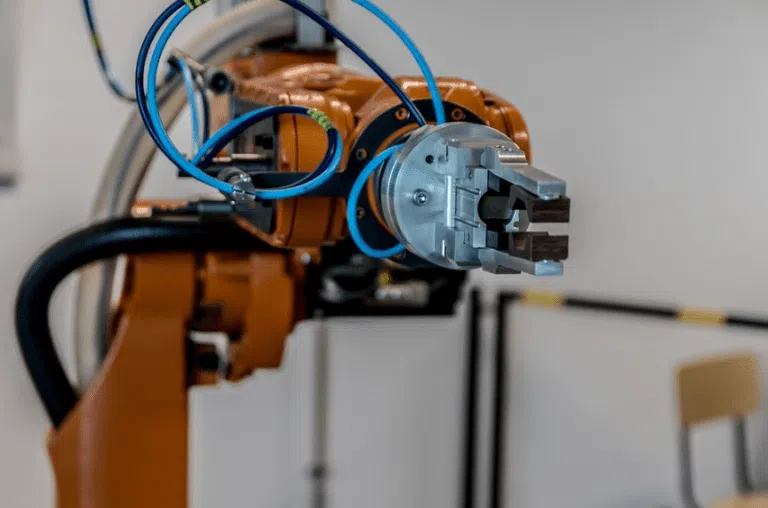
Robotics is the bedrock of modern automation in automotive manufacturing. Automation in this regard is used in a variety of applications such as assembly, painting and managing internal logistics such as material transportation. The bottom line is that robotics and automation are designed to tackle repetitive tasks, thereby reducing production time and saving precious efforts of manual labour. This also translates to better safety features for those involved in the automotive manufacturing sector.
The Role of Machine Learning and AI in Automation
While robotics have revolutionized automation in this industry, the integration of artificial intelligence and machine learning has taken the effectiveness of production to another level. The use of AI and ML aids in improving the overall manufacturing process and further streamlines the process, achieving excellent levels of productivity. The main way they are added to the manufacturing process is through CNC machines. These machine control systems use myriad sensors and feedback systems to provide real-time feedback, thereby improving the accuracy and effectiveness of the process.
Internet of Things (IoT) in Automotive Factories
The Internet of Things (IoT) is another facet of automation that has really taken off in the last decade. The integration of sensors, machines, and numerous devices and connecting them to the internet has improved the manufacturing process by leaps and bounds. This is mainly done with the exchange of data between these different machines, which, combined with AI and ML technologies, leads to an exponential return on investment for automotive manufacturing companies.
Future Trends in Automotive Manufacturing Automation
The Rise of Smart Factories
One major trend to watch out for in the future is smart factories. A feature of Industry 4.0, smart factories employ a network of devices and machines along with artificial intelligence and machine learning to improve the manufacturing process. Some key aspects of smart factories include data collection, using predictive analytics with the data collected in real-time, and adding augmented reality to improve assembly, maintenance and training. Another aspect of smart factories is preventative maintenance, which uses data to ensure optimal maintenance of all equipment and reduce instances of downtime.
Sustainable Manufacturing Through Automation
As the world hurtles towards a climate crisis, industries are focusing more on sustainable practices to reduce their impact on the environment. Therefore, the future will see increased use of AI, ML and IoT to create better systems with a focus on sustainability. This might translate to reducing wastage, reducing energy consumption and minimizing the carbon footprint of a manufacturing facility. Moreover, as the consumers of automobiles develop a more eco-conscious attitude, the production facilities would benefit from capitalizing on this trend from a public relations perspective.
Conclusion
To sum it up, automation has a long history of contributing towards the betterment and longevity of the automotive sector. From improving accuracy, increasing productivity, improving safety features and contributing towards better maintenance, the role of automation is set to increase even further as it steps into the realm of sustainability and Industry 4.0.
