

British cars have played a pivotal role in the automotive world, known for their blend of elegance, performance, and innovative design. These vehicles have become symbols of British engineering excellence and style, leaving a lasting impact on car enthusiasts globally.
In this article, we explore the 15 most iconic British cars of all time. Each of these classic models represents a significant milestone in automotive history, showcasing the ingenuity and craftsmanship that have defined the British automotive industry.
Jaguar E-Type
Introduced in 1961, the Jaguar E-Type quickly became a symbol of British automotive excellence with its powerful 3.8-liter engine and sleek, aerodynamic design. A true icon for enthusiasts of classic British cars, the E-Type combined aesthetic appeal with impressive performance, boasting a top speed of over 150 mph. Its distinctive glass-covered headlights added to its streamlined elegance, making it a standout on any road.
The Jaguar E-Type epitomizes the golden era of British sports cars. Its timeless design and sleek lines elevate it beyond mere transportation; it’s a piece of automotive art. Owning an E-Type today signifies a deep appreciation for both performance and style, with the average price around $135,064.
Far from being relegated to garages, this car is a fixture at numerous classic car shows, continually embodying the spirit of 1960s elegance and engineering. Whether you’re a dedicated collector or an admirer, the Jaguar E-Type stands as a quintessential representation of British automotive heritage.
MINI Cooper

. This remarkable vehicle, featuring front-wheel drive and a transverse-mounted engine, set new standards for small cars. The MINI Cooper offered an affordable and efficient mode of transportation, excelling in agility and handling, making it a favorite in both urban environments and racing circuits.
The compact design was more than just space-saving; it was a masterstroke of automotive engineering. By maximizing interior space while minimizing exterior dimensions, the MINI Cooper demonstrated that a small car could still deliver impressive performance.
- Innovative Engineering: The front-wheel drive and transverse-mounted engine layout were groundbreaking.
- Agile Handling: This design allowed for nimble and responsive driving.
- Cost-Effective: Its affordable price made it accessible to a wide audience.
- Speed and Performance: Despite its small size, it could reach a top speed of 96 mph.
- Global Popularity: With over 5 million units sold, its lasting appeal is evident.
The MINI Cooper redefined the concept of a compact car and set the stage for future innovations in automotive design.
Cultural Impact Worldwide
Embracing its distinct design and nimble performance, the MINI Cooper quickly became a symbol of British ingenuity and global cultural influence. Since its introduction in 1959, the MINI Cooper has sold over 5 million units worldwide, illustrating its lasting appeal. Its innovative front-wheel drive and transverse-mounted engine design revolutionized the compact car segment, making it an icon in the British automotive industry.
The MINI Cooper’s cultural impact is evident in various aspects of popular culture. It transcends being merely a car; it stands as a statement of style and efficiency. With an average starting cost of $22,454, the MINI Cooper remains accessible to a wide range of consumers, further cementing its global presence. Its top speed of 96 mph highlights that it’s not just about looks but also about performance.
Beyond its role as a vehicle, the MINI Cooper has appeared in numerous films and TV shows, symbolizing British cool and charm. As a mainstay in the automotive world, the MINI Cooper continues to embody the innovative spirit of British automotive design, making it a beloved vehicle across generations and geographies.
Motorsport Legacy
The MINI Cooper’s cultural significance extends to its notable motorsport legacy, highlighted by three victories at the Monte Carlo Rally in the 1960s. These wins weren’t mere flukes; they underscored the car’s compact size, agile handling, and exceptional performance on the rally circuit. When discussing motorsport heritage, the MINI Cooper’s success is pivotal, solidifying its status as an iconic British car.
Its innovative front-wheel-drive layout and transverse-mounted engine were revolutionary, enabling the MINI Cooper to outperform larger, more powerful competitors. These engineering feats not only gave it an edge in racing but also redefined the capabilities of small cars.
To grasp the depth of the MINI Cooper’s motorsport legacy, consider the following:
- Monte Carlo Rally Triumphs: Three victories in the 1960s established the MINI Cooper on the global motorsport stage.
- Agile Handling: Its capacity to navigate tight corners at high speed made it a formidable rally car.
- Engineering Innovations: The front-wheel-drive and transverse engine layout were groundbreaking.
- Enduring Popularity: Its racing heritage contributes to the MINI Cooper’s continued popularity today.
- Cultural Icon: These achievements cemented its place as a beloved British icon.
This motorsport legacy reflects the MINI Cooper’s unique design and enduring appeal.
Aston Martin DB5

The Aston Martin DB5, immortalized through its association with James Bond films, stands as a paragon of British automotive excellence. Its iconic design and luxurious status make it synonymous with elegance and performance. The DB5’s sleek lines and graceful curves contribute to its global recognition.
Beneath the hood, the Aston Martin DB5 houses a robust 4.0L 6-cylinder petrol engine, delivering 282bhp. This power enables the car to achieve a top speed of 143mph, showcasing its high-performance capabilities. Whether navigating urban streets or winding country roads, the DB5 offers an unmatched driving experience.
Owning this piece of British automotive history comes at a premium. The average starting price for a DB5 is around $985,419, reflecting its luxury and iconic status. For those who can afford it, the DB5 is more than just a vehicle; it’s a symbol of elegance, performance, and timeless British design.
Land Rover Defender

Celebrating decades of adventurous spirit, the Land Rover Defender stands as a testament to unparalleled off-road prowess and rugged design. This iconic vehicle, produced from 1990 to 2016, showcases exceptional engineering that has conquered some of the harshest terrains on the planet. The Defender’s off-road capabilities make it a reliable choice for navigating through mud, sand, snow, and rocky landscapes with ease.
What makes the Land Rover Defender truly legendary in off-road performance? Here are some key features:
- High Ground Clearance: Enables tackling rough and uneven terrains without damaging the undercarriage.
- Permanent Four-Wheel Drive: Ensures maximum traction and stability on various surfaces.
- Advanced Traction Control: Maintains control even in the most slippery conditions.
- Durable Construction: Built with robust materials to withstand extreme environments and heavy usage.
- Versatile Engine Options: Offers 2.2L and 2.4L diesel engines, both providing the power needed for serious off-roading.
The Defender’s rugged design and formidable off-road capabilities make it an enduring favorite among adventurers and off-road enthusiasts. Whether crossing deserts or climbing mountains, the Defender is a reliable companion on any journey.
Versatile Design Evolution
The evolution of the Defender includes a variety of body styles to cater to different needs and preferences. From its early 2-door versions to the more recent 4-door models, the Defender has expanded its versatility without losing its robust character. Land Rover has carefully preserved the Defender’s iconic design elements while incorporating modern amenities and safety features. This dedication ensures that the vehicle remains relevant and appealing in the competitive market.
Here’s a quick look at the Defender’s design evolution:
| Year | Body Style | Key Features |
|---|---|---|
| 1948 | 2-Door | Simple, rugged design, off-road capability |
| 1980s-90s | 110/90 | Longer wheelbase, improved performance |
| Early 2000s | 4-Door | Enhanced comfort, modern amenities |
| 2010s | New Def. | Advanced safety features, updated aesthetics |
| Present | Defender | Cutting-edge tech, luxury interiors |
The Land Rover Defender’s ability to maintain its rugged charm while evolving with the times is a testament to its enduring appeal and versatility.
Global Cultural Impact
The Land Rover Defender’s global cultural impact is indisputable, having appeared in over 2,000 films and TV shows. This iconic vehicle transcends its function as a piece of machinery; it symbolizes ruggedness, adventure, and British engineering excellence. A Defender on screen immediately conveys durability and reliability.
Its global cultural significance extends to its use by the British Army, underscoring its unmatched ruggedness. The boxy design, while functional, has become an emblem of off-road prowess and timeless British craftsmanship. Whether navigating jungles in a movie or trekking through deserts in a documentary, the Defender is ubiquitous.
Notable owners further elevate its status. The association with figures like the Queen of England and Steve McQueen adds layers of prestige and allure. With a heritage dating back to 1948, the Defender cements its place in automotive history.
- Featured in over 2,000 films and TV shows
- Utilized by the British Army
- Recognizable boxy design and off-road capabilities
- Owned by notable figures such as the Queen and Steve McQueen
- Heritage dating back to 1948
The Land Rover Defender is more than a car; it’s a cultural icon.
Bentley Continental GT
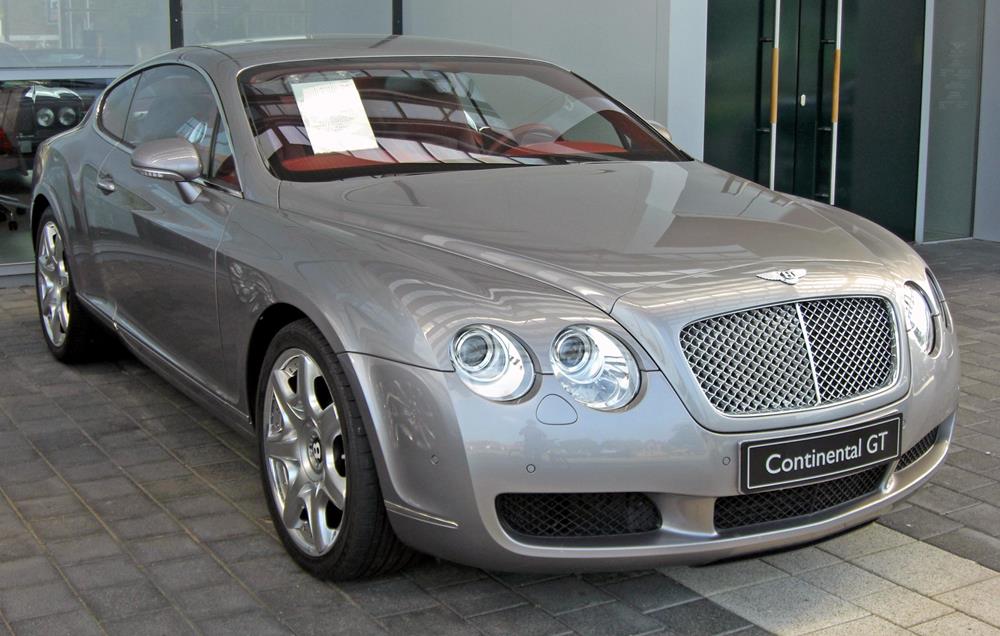
The Bentley Continental GT, equipped with a twin-turbo 6.0-liter W12 engine, offers an unparalleled blend of luxury and high performance. As a grand tourer designed for long-distance driving comfort, it also delivers exhilarating speed with a top velocity of 207 mph, providing an unmatched thrill behind the wheel. This vehicle isn’t just about power; it epitomizes craftsmanship and design that distinguish it in the luxury car segment.
Upon entering the Bentley Continental GT, you’ll find an interior meticulously crafted with the finest materials and cutting-edge technology. From hand-stitched leather seats to polished wood veneers, every detail exudes opulence, reflecting the car’s prestigious status. It’s no surprise that this model is a favorite among celebrities and affluent individuals.
The Continental GT’s distinctive design and formidable engine make it a quintessential symbol of British automotive excellence. Whether navigating city streets or cruising on the motorway, this car commands attention and respect. Its seamless blend of luxury and speed secures its place among the most iconic British cars of all time.
Rolls-Royce Silver Shadow
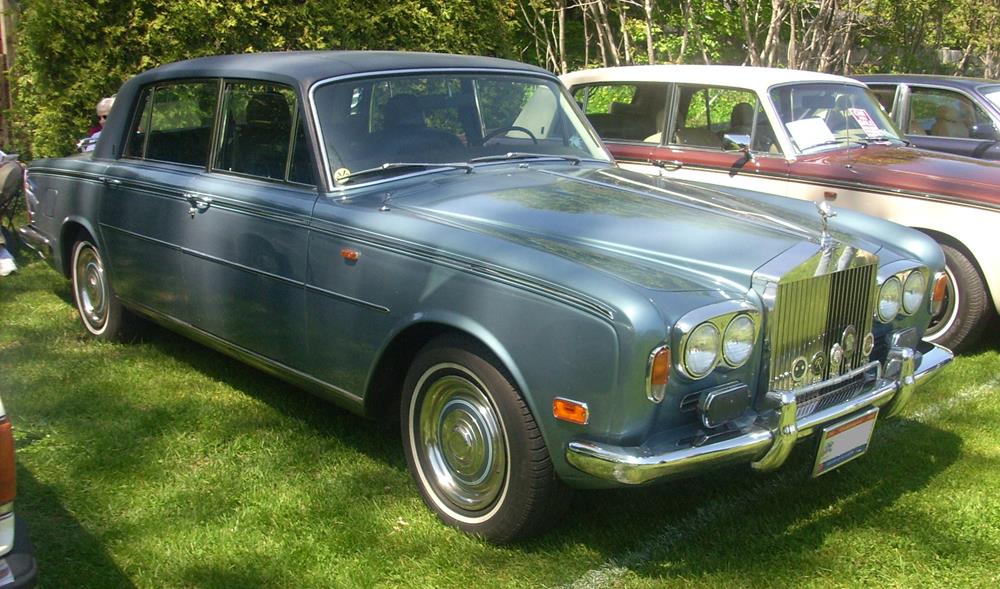
Introduced in 1965, the Rolls-Royce Silver Shadow quickly became synonymous with English luxury and practical design. Produced until 1980, this iconic British car stands out for its elegance and prestige, making it a favorite among collectors. Unlike many other Rolls-Royce models, the Silver Shadow is relatively accessible, both considering its historical pricing and its current market value.
When it first hit the market, prices ranged between $20,000 and $65,000. Today, its value ranges from $15,000 to $40,000, making it one of the more affordable Rolls-Royce models. Despite its more accessible price, the Silver Shadow doesn’t skimp on luxury or features.
Key points that make the Rolls-Royce Silver Shadow a standout include:
Timeless Design: The Silver Shadow’s classic lines and understated elegance have aged gracefully.
Luxurious Interior: High-quality materials like leather and wood trim create a haven of comfort.
Hydraulic Suspension: Offers an exceptionally smooth ride, a hallmark of Rolls-Royce engineering.
Popularity Among Collectors: Its combination of luxury and relative affordability makes it a sought-after classic.
Legacy: The Silver Shadow influenced future generations of Rolls-Royce cars in both design and engineering standards.
McLaren F1
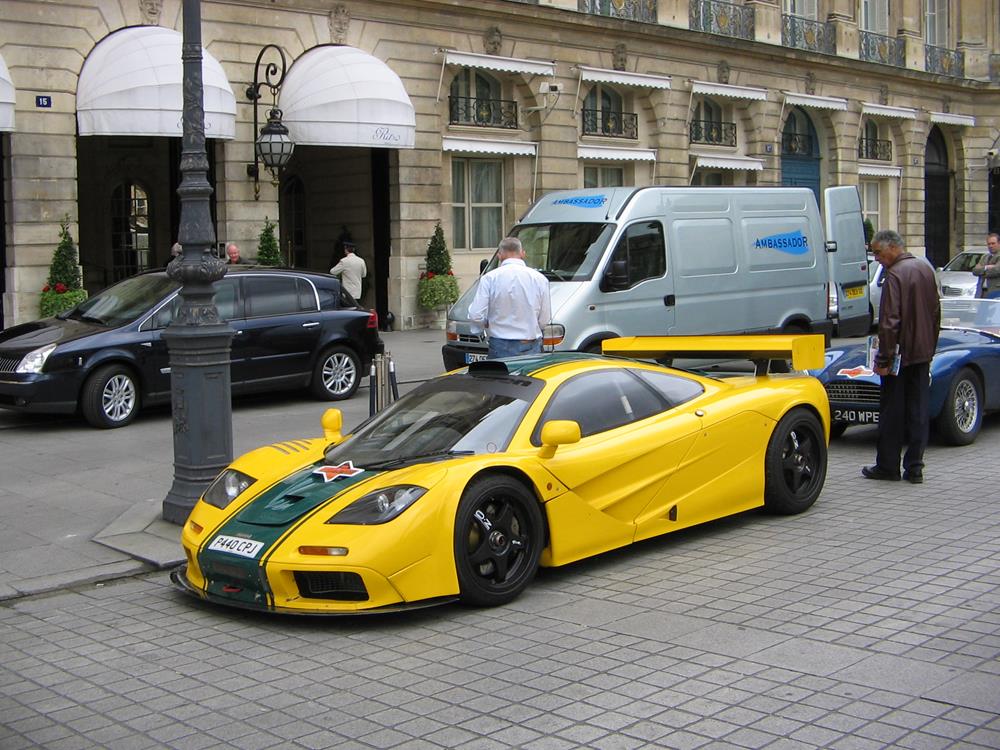
Renowned for its groundbreaking speed and engineering, the McLaren F1 remains one of the most iconic supercars ever produced. Manufactured from 1992 to 1998, it was priced at £540,000—a significant investment even then.
But what you got for that price was nothing short of extraordinary.
Under the hood, the McLaren F1 featured a powerful 6.1-liter V12 petrol engine, producing an astounding 627 horsepower. This allowed the car to achieve a top speed of 240.1 mph, setting a record as the fastest production car in the world at the time. Its exceptional performance wasn’t just about speed; the engineering excellence behind it included innovations never seen before in a road car.
The McLaren F1’s limited production numbers and groundbreaking design have cemented its legendary status. Even today, it remains a highly sought-after vehicle, representing the pinnacle of automotive achievement.
Lotus Esprit

The Lotus Esprit Turbo, a marvel of British engineering, captured global attention through its starring role in a James Bond film. This British sports car isn’t just about cinematic glamour; it’s renowned for its exceptional performance, powered by a robust engine. Behind the wheel, the Lotus Esprit delivers a thrilling and unforgettable driving experience.
The design of the Lotus Esprit epitomizes its status as an iconic British sports car. Its sleek, aerodynamic profile not only enhances its visual appeal but also its road performance. This car represents a perfect blend of style and capability, making it a highly sought-after classic among car enthusiasts.
Key features that make the Lotus Esprit truly iconic include:
- Powerful Engine: Provides exceptional performance and speed.
- Aerodynamic Profile: Enhances both aesthetics and functionality.
- Cinematic Fame: Gained worldwide recognition through its appearance in a James Bond film.
- Timeless Design: Its unique and stylish look makes it a standout.
- Exhilarating Drive: Offers a thrilling and unforgettable driving experience.
The Lotus Esprit remains an enduring legend in the world of British sports cars, celebrated for its distinctive design and outstanding performance.
MG Midget

When you think of classic British design, the MG Midget stands out with its iconic and compact form. Known for its impressive sports performance and agile handling, this car quickly became a favorite for those seeking an affordable yet exhilarating driving experience.
Classic British Design
The MG Midget Mk I, introduced in 1961, is a quintessential example of classic British design, capturing the charm and agility that enthusiasts cherish. This iconic car is a testament to the best of British engineering and aesthetics. The MG Midget Mk I isn’t merely a vehicle; it’s an emblem of its era, epitomizing the elegance and simplicity of classic British design.
Several features of the MG Midget Mk I stand out:
Timeless Styling: Its sleek lines and compact form make it instantly recognizable and deeply admired.
Iconic Grille: The front grille is a hallmark of British car design, giving the Midget its distinctive look.
Wire Wheels: These add a touch of vintage sophistication, enhancing its overall appeal.
Minimalist Interior: The straightforward dashboard and controls reflect the simplicity and functionality of the period.
Convertible Top: Ideal for enjoying the British countryside on a sunny day.
The MG Midget Mk I’s design wasn’t just about aesthetics; it was about creating an exhilarating yet accessible driving experience. Originally priced at $1,745, it provided an affordable entry into the sports car world.
Today, its value ranges from $5,000 to $20,000, a testament to its enduring appeal and the timeless love for classic British engineering and design.
Compact Sports Performance
Despite its modest engine size, the MG Midget Mk I offers an exhilarating driving experience that continues to captivate classic car enthusiasts. Introduced in 1961, this classic British sports car features a 46-horsepower, 948-cc A-series four-cylinder engine. While it mightn’t match the power of modern sports cars, the MG Midget Mk I’s lightweight design and nimble handling make it a joy to drive on winding roads.
The Midget Mk I’s compact size contributes significantly to its agility and responsiveness, making it a machine built for those who love the thrill of driving. Its low-slung body and iconic design are unmistakably British, capturing the spirit of the 1960s era. The Midget Mk I isn’t just about speed but the overall driving experience, making every journey feel special.
Affordability and Popularity
Often celebrated for its affordability, the MG Midget Mk I has remained a popular choice among classic car enthusiasts. Introduced in 1961, this compact yet spirited vehicle featured a 46-hp, 948-cc A-series four-cylinder engine, making it an enjoyable drive without breaking the bank. Originally priced at $1,745, the MG Midget Mk I now sees values ranging between $5,000 and $20,000, maintaining its status as an accessible entry point into the collector car market.
The MG Midget Mk I stands out among classic British cars for several reasons:
- Affordability: Well-preserved models remain reasonably priced.
- Compact Size: Ideal for maneuvering tight, winding roads.
- Iconic Design: Its timeless look continues to attract admirers and collectors.
- Fun-to-Drive Nature: The lightweight build and responsive handling provide a thrilling driving experience.
- Historical Significance: Its enduring charm and appeal have solidified its place in automotive history.
Owning an MG Midget Mk I means preserving a piece of British motoring heritage. Its affordability and popularity make it a staple in the world of classic British cars, ensuring its cherished status in the collector car market for years to come.
Jaguar XJ220
The Jaguar XJ220, once the fastest production car in the world, achieved a top speed of 213 mph with its twin-turbocharged V6 engine producing 542 horsepower. This marvel of British engineering held the title from 1992 to 1993, establishing new benchmarks for speed and performance. Designed to push boundaries, the XJ220 showcased Jaguar’s ability to compete with the elite in the automotive industry.
Here’s a quick look at some key facts about the Jaguar XJ220:
| Feature | Specification |
|---|---|
| Top Speed | 213 mph |
| Engine | Twin-turbo V6 |
| Horsepower | 542 hp |
| Production Years | 1992-1994 |
| Units Produced | 281 |
Despite initial criticism for not meeting some of its ambitious performance targets, the XJ220 remains a highly sought-after collector’s car. Originally, only 275 units were planned for production, but Jaguar ultimately built 281. One of its notable achievements was holding the Nürburgring production car lap record for several years.
Aston Martin V8 Vantage
With its striking design and powerful 5.3L V8 engine, the Aston Martin V8 Vantage epitomizes the essence of classic British sports cars. Produced from 1977 to 1989, this iconic vehicle became a symbol of luxury and performance. The V8 Vantage’s ability to blend speed with elegance makes it a standout in the world of British automobiles.
The V8 Vantage produced up to 432 bhp, allowing it to accelerate from 0-60 mph in just 5.3 seconds. This impressive performance was matched by its luxurious interior, offering a driving experience that was both thrilling and comfortable. The car’s top speed of 170 mph further cemented its status as a high-performance machine.
Key features that highlight why the Aston Martin V8 Vantage remains iconic:
- Engine: A robust 5.3L V8 engine producing up to 432 bhp.
- Acceleration: 0-60 mph in 5.3 seconds.
- Top Speed: Reaching up to 170 mph.
- Design: Distinctive and striking, embodying classic British elegance.
- Interior: Luxurious and comfortable, designed for a premium driving experience.
The Aston Martin V8 Vantage truly captures the spirit of British automotive excellence.
Triumph TR6
Shifting gears from the luxurious Aston Martin V8 Vantage, you’ll find the Triumph TR6 captures the essence of classic British sports cars with its robust 2.5L straight-six engine and timeless design. Produced from 1969 to 1976, the TR6 quickly became a favorite among enthusiasts, combining performance, style, and affordability.
The heart of the Triumph TR6 is its powerful 2.5L engine, producing up to 150bhp in the European market. This setup allows the TR6 to hit a top speed of approximately 120mph, making it a thrilling ride for anyone who gets behind the wheel. When new, the TR6’s price was around £1,260, offering an alluring mix of value and performance.
| Specification | Detail |
|---|---|
| Engine | 2.5L Straight-Six |
| Power | Up to 150bhp |
| Production | 1969-1976 |
With over 94,600 units built, the Triumph TR6 stands as one of Triumph’s best-selling models. Its classic design and robust engineering have cemented its status as a timeless British sports car. Driving a TR6 offers an engaging experience that continues to captivate car lovers today. Whether you’re drawn to its history or its performance, the Triumph TR6 remains an iconic symbol of British automotive excellence.
Morris Minor

As a symbol of British post-war ingenuity, the Morris Minor revolutionized automotive design with its blend of affordability and reliability. Launched in 1948, the Morris Minor embodied the resilient post-war British spirit, quickly becoming a beloved fixture on UK roads. It offered a top speed of 63 mph and sold over 1.6 million units, making it a staple of British motoring history.
You can appreciate the Morris Minor for its innovative construction, which prioritized practicality without sacrificing style. The car’s timeless appeal continues to captivate classic car enthusiasts worldwide. Its design was both functional and aesthetically pleasing, ensuring it remained popular across generations.
Consider these key elements that made the Morris Minor a revolutionary design:
- Affordability: The Morris Minor was accessible to the masses, providing an economical option for post-war families.
- Reliability: Known for its durability, the car was trusted by countless drivers.
- Timeless Design: Its iconic look has stood the test of time, still admired today.
- Widespread Popularity: Selling over 1.6 million units, it became a common sight on British roads.
- Performance: With a top speed of 63 mph, it offered respectable performance for its era.
The Morris Minor’s innovative design truly set it apart, making it a lasting icon of British automotive history.
Cultural Impact & Legacy
The Morris Minor’s cultural impact is profound, symbolizing British resilience and ingenuity in the post-war era. As one of the most iconic British cars, the Minor became a symbol of the nation’s recovery and forward-thinking spirit. Its timeless design, characterized by simplicity and charm, appealed to a wide range of drivers, making it a beloved fixture on British roads.
Over a million Morris Minors were sold globally, demonstrating its widespread popularity. With an affordable starting cost, it was an accessible option for many families, further cementing its status as a classic. The car’s top speed of 73 mph and its reliable performance made it a practical and pride-worthy choice for drivers.
Bentley 4½ Litre
Boasting a luxurious design and a powerful 4.5-liter engine, the Bentley 4½ Litre represents the pinnacle of British automotive craftsmanship from 1927 to 1931. When you think of Bentley, luxury and performance immediately come to mind. This car is a perfect example of both. With only 720 units produced, its exclusivity only adds to its allure.
The Bentley 4½ Litre isn’t just about opulence; it has a rich racing heritage that sets it apart. Imagine cruising at an impressive top speed of 137 mph in the 1920s—this car was a marvel of engineering. Even today, owning one is a statement, with prices starting around $670,453. This high-end classic car beautifully blends luxury and performance, reflecting the best of British automotive heritage.
Key features of the Bentley 4½ Litre include:
- Exclusivity: Only 720 units produced.
- Performance: Top speed of 137 mph.
- Legacy: Rich racing heritage.
- Value: Starting cost today around $670,453.
- Craftsmanship: Exemplifies the blend of luxury and performance.
This car isn’t just a vehicle; it’s a piece of history, representing the epitome of what Bentley stands for.
Rolls-Royce Phantom

Renowned for its handcrafted interiors and bespoke options, the Rolls-Royce Phantom epitomizes luxury automotive craftsmanship. The Phantom features a robust 6.75L V12 petrol engine, delivering an impressive 563bhp and a top speed of 155mph, ensuring high performance alongside its opulent design.
What truly distinguishes the Phantom is its commitment to unparalleled luxury. Each vehicle is a masterpiece, reflecting Rolls-Royce’s unwavering dedication to excellence. The meticulously handcrafted interiors offer a sanctuary of comfort and elegance, with every detail customizable. Whether it’s the finest leather, rare wood veneers, or personalized embroidery, the Phantom serves as a canvas for your imagination.
The average starting cost for a Rolls-Royce Phantom is around $450,000, underscoring its status as a symbol of opulence and prestige. Its iconic design and nearly noiseless operation further solidify its place as a timeless classic in the luxury automotive world.
Conclusion
The enduring legacy of British cars is a reflection of the country’s commitment to excellence in design, performance, and innovation. These iconic vehicles highlight the remarkable contributions of British engineering to the global automotive landscape.
These timeless classics continue to influence and inspire, embodying the spirit of British craftsmanship and ingenuity. As we honor their history, we celebrate the ongoing impact and lasting appeal of these exceptional vehicles.
