
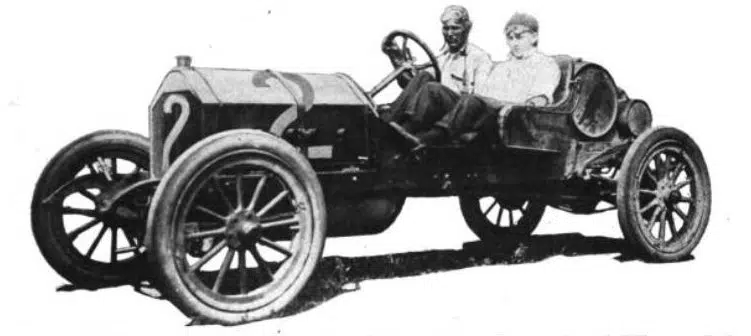
The Black Motor Company, established in Chicago in 1906, produced practical, affordable high-wheeler automobiles tailored to early American roads. Despite a brief lifespan, its innovations—such as a two-cylinder engine and chain drive—placed it among the more accessible automakers of the Brass Era.
Vehicles like the Chicago Motor Buggy and Black Crow exemplified durable engineering at a budget price, appealing to rural buyers. Though production ended by 1911, the company’s legacy endures among vintage car enthusiasts and historians.
Key Takeaways
- Founded in 1906, the Black Motor Company produced high-wheelers tailored for rough roads in early 20th-century America.
- Its vehicles featured two-cylinder air-cooled engines, chain drive, and double brakes, emphasizing durability and simplicity.
- The company marketed models under names like Chicago Motor Buggy (1908–1909) and Black Crow (1909–1911), the latter being a rebadged Crow-Elkhart.
- Black automobiles were affordable, priced between $375 and $450, undercutting rivals like Ford and Oldsmobile.
- Operations ceased in 1911, but the brand remains a notable example of Brass Era innovation and Chicago’s automotive legacy.
Origins and Historical Context
Founded during a time of intense automotive innovation, the Black Motor Company addressed a practical need: economical cars capable of navigating unpaved rural roads. Based in Chicago, the company launched its first cars in 1906, drawing on the popular high-wheeler format.
These vehicles mimicked the form of horse-drawn buggies, featuring tall wheels and lightweight frames. Priced well below competitors like Ford or Oldsmobile, Black’s offerings were targeted toward a working-class demographic.
The Black Automobile’s transition from buggies to the automotive industry is mirrored in Opel’s strategic shift from sewing machines to automobiles, showcasing a similar adaptability and innovation in the early automotive industry.
Design and Technical Specifications
The Black automobiles stood out for their simplicity and utility. Each model typically featured:
- A two-cylinder air-cooled engine
- Chain drive transmission
- Double brakes
- High wooden wheels
- Basic but rugged open carriage bodies
This configuration ensured performance on unpaved terrain and low maintenance needs. Black Motor Company marketed these vehicles with practical slogans and low price tags, attracting budget-conscious customers.
The manual transmission system in the Black Automobile required skill and coordination, providing an engaging driving experience that was highly valued by enthusiasts of the time.
The Role of the Chicago Motor Buggy
In 1908, Black released the Chicago Motor Buggy, maintaining the high-wheeler form but with slightly updated mechanicals. By 1909, the company introduced the Black Crow, a rebadged Crow-Elkhart, signaling a strategic pivot away from in-house manufacturing toward brand extension.
While the company itself did not manufacture the Crow-Elkhart, marketing it under the Black Crow name helped the brand diversify its offerings without investing in new production infrastructure.
Peak, Decline and Closure
Black Motor Company prioritized affordability. Most of its vehicles were priced between $375 and $450, significantly undercutting mass-market competitors. This aggressive pricing made the cars more accessible to a broader audience and helped the company maintain steady, if modest, sales during its operating years.
By 1911, the Black Motor Company ceased operations. While it had found a niche in affordable rural transport, increasing competition from mass production pioneers like Ford made it difficult for smaller firms to compete. The rise of the Model T—more advanced and comparably priced—rendered many high-wheelers obsolete.
Legacy and Collectibility
| Year | Event |
|---|---|
| 1906 | Black Motor Company is founded in Chicago, Illinois. |
| 1906–1907 | First high-wheeler models released with two-cylinder air-cooled engines. |
| 1908–1909 | Production of the Chicago Motor Buggy high-wheeler. |
| 1909–1911 | Launch of the Black Crow, a rebadged Crow-Elkhart vehicle. |
| 1911 | Company ceases operations amid rising competition and market shifts. |
Though short-lived, the Black Motor Company holds a place in early automotive history as a symbol of pragmatic engineering and accessible pricing. Surviving examples of Black high-wheelers are now considered rare collector’s items. They represent not only a bygone era of rural-focused design but also Chicago’s brief moment in the national spotlight as a car manufacturing hub.
