

Australia’s contributions to automotive design are exemplified by the Ute, a unique blend of ingenuity and practicality. Originating from a farmer’s request in the 1930s, the Ute was created out of necessity and quickly became a cultural icon.
Ford Australia’s 1934 release of the first mass-produced Ute, designed by Lew Bandt, revolutionized both rural and urban transportation. But what makes the Ute so special, and how has it remained relevant through decades of automotive evolution? Let’s explore its fascinating journey and enduring legacy.
Origins of the Australian Ute

In the 1930s, the Australian Ute emerged from a farmer’s request for a vehicle that could serve both as a workhorse and a family car. This innovative idea led Ford Australia to produce the first mass-produced Ute in 1934. They ingeniously combined the comfort of a car with the utility of a truck, creating a versatile vehicle that catered to both personal and professional needs.
Designer Lew Bandt was instrumental in realizing this concept. He designed the original Ute, or utility coupe, using a Ford Model 40 car chassis and drivetrain. This design made the Ute adaptable for both rural and urban environments, meeting the diverse demands of Australian drivers. The Ute quickly became a symbol of Australian innovation and practicality, embodying a unique blend of style and utility.
With its distinctive design and multifunctional capabilities, the Ute was more than just a vehicle; it was a revolutionary advancement in the automotive world. It laid the groundwork for future utility vehicles and left an indelible mark on Australian culture.
Early Design and Purpose
The Ute, short for ‘utility,’ was born in 1930s Australia from a farmer’s request for a versatile vehicle capable of serving both sacred and secular purposes. The farmer needed a vehicle to take his family to church on Sunday and transport livestock on Monday. This unique requirement led to the creation of the Ute, a blend of sedan comfort and truck utility.
In 1934, Ford Australia introduced the first mass-produced Ute, ingeniously combining the comfort of a sedan with the practicality of a truck using a Model 40 car chassis. This early design featured a rear tray for carrying goods while maintaining the refined look of a car.
The Ute’s popularity soared because of its:
- Versatile Design: It catered to both rural and urban needs, making it ideal for work and leisure.
- Practicality: Farmers and tradespeople found it indispensable for its utility.
- Blend of Style and Function: It combined car aesthetics with truck practicality.
- Wide Appeal: Its functionality made it a favorite among enthusiasts across Australia.
The Ute’s innovative design addressed a specific need, cementing its place as a quintessential Australian vehicle.
Utility and Versatility
Thanks to its ingenious design, the Ute quickly became indispensable for those requiring a vehicle that could seamlessly transition between work and personal use. The Ford Mainline Coupe Utility, one of the earliest models, epitomized this blend of utility and comfort. It wasn’t merely a truck or a sedan; it was both, cementing its status as an icon of automotive innovation and a significant part of Australian identity.
The Ute’s initial design featured a car chassis and drivetrain, enabling it to serve as a reliable rural workhorse for transporting livestock and goods while offering the comfort necessary for everyday travel. This dual-purpose nature made it a popular choice in both rural and urban settings, solidifying its place in the automotive market.
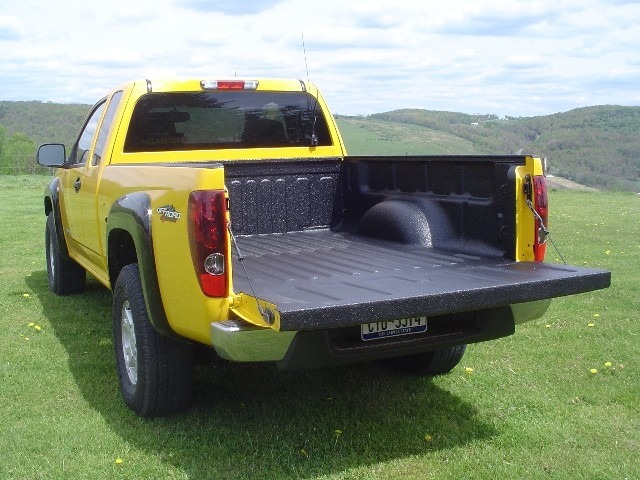
Here’s a quick comparison to illustrate its versatility:
| Feature | Benefit |
|---|---|
| Car Chassis | Comfortable everyday driving |
| Truck Bed | Hauling heavy goods and livestock |
| Sedan Comfort | Suitable for personal use |
| Versatile Design | Ideal for farmers and tradespeople |
| Automotive Innovation | Unique to Australian market |
The Ute’s capability to handle diverse tasks with ease made it an essential vehicle, reflecting Australia’s demand for practicality and versatility in automotive design.
Evolution and Adaptation
The first Utes, introduced by Ford Australia in 1934, were a pioneering blend of sedan comfort and truck practicality, designed to meet the diverse needs of early Australian farmers. This innovative vehicle was created in response to a farmer’s request for dual-purpose functionality, combining the convenience of a car with the utility of a truck.
Early Utes, built on car chassis with open trays at the back, were ideal for transporting goods, livestock, and equipment, making them versatile for both rural and urban use.

Ford Australia’s design studio played a crucial role in developing these vehicles, ensuring they met the unique demands of the Australian market. Over time, the Ute’s design evolved to include more features and greater versatility, as seen in models like the Mark II.
The production process was continuously adapted to match the increasing demand, cementing the Ute as an integral part of Australian culture.
- Versatility for farmers and tradespeople
- Comfortable for daily use and work
- Built on car chassis with open trays
- Popular in both rural and urban areas
The evolution and adaptation of Utes in Australia underscore their significance, combining functionality with innovative design.
Post-War Innovations

In the post-war era, Australian Ute manufacturers like Ford and GM transformed the market with innovative designs and enhanced performance to meet the evolving demands of consumers. The Holden Ute evolved greatly, incorporating innovations like independent rear suspension, which set new standards for comfort and handling. Ford introduced models such as the Ford Ranger, further pushing the boundaries of what a Ute could achieve regarding performance and versatility.
These advancements reflected the unique blend of Australian culture and automotive ingenuity. The Ute, initially created to combine the utility of a truck with the comfort of passenger cars, now integrated advanced technologies and luxury features. This evolution signaled a shift towards more sophisticated and refined vehicles, catering to a broader range of consumer preferences.
Here’s a comparison of key post-war innovations by leading manufacturers:
| Manufacturer | Model | Key Innovation | Impact |
|---|---|---|---|
| Ford | Ford Ranger | Enhanced performance | Expanded versatility |
| Holden | Holden Ute | Independent rear suspension | Improved comfort and handling |
| Chrysler | Valiant Wayfarer | Experimental design concepts | Showcased industry exploration |
| General Motors | Various Ute models | Luxury features integration | Shift towards sophistication |
The post-war era marked a significant transformation in Ute design and functionality, reflecting the evolving automotive landscape and consumer preferences in Australia.
Cultural Impact
As Utes evolved with post-war innovations, they carved out a significant cultural niche in Australia, becoming much more than just vehicles. They emerged as an iconic symbol of Australian rural life, celebrated in events like the Deni Ute Muster. This transformation underscored the versatility and ruggedness of Utes, making them invaluable to farmers and tradespeople.
Australians favor Utes for their practicality and resilience, whether used for work, leisure, camping, or off-roading. Their adaptability speaks to Australian ingenuity, reflecting the nation’s ability to innovate and thrive in varied environments. This cultural significance extends beyond their functional role, embodying the spirit of adventure and freedom.
Moreover, Utes are often customized to reflect individual preferences, further embedding them into the fabric of Australian identity. Their robust design and functionality make them essential tools for everyday life, transcending their original workhorse image to become beloved icons.
Modern Developments
Australia’s automotive landscape is rapidly evolving with the rise of electric Ute innovations, driven by industry leaders like Tesla and Rivian. These companies are setting new benchmarks by offering models that seamlessly combine sustainability and high performance. Unlike traditional Utes, electric Utes deliver instant torque, resulting in superior towing capabilities and enhanced off-road performance, making them ideal for both work and leisure.
Australian consumers are increasingly attracted to these innovations not just for their environmental benefits but also for the significant reduction in operating costs. With zero tailpipe emissions and less frequent maintenance, electric Utes are proving to be a cost-effective and eco-friendly choice.
Here’s why electric Utes are gaining popularity:
- Zero Emissions: Electric Utes produce no tailpipe emissions, significantly reducing your carbon footprint.
- Lower Operating Costs: With fewer moving parts, electric vehicles experience less wear and tear, leading to reduced maintenance costs.
- Instant Torque: Electric motors deliver immediate power, enhancing towing capabilities and acceleration.
- Sustainable and Efficient: Electric Utes provide a sustainable solution without compromising performance, suitable for a variety of uses.
Advanced Safety Features
Modern Utes are increasingly equipped with advanced safety features to enhance driver and passenger protection. These technologies aim to significantly improve road safety and reduce accident risks.
Key safety systems now standard in many Utes include automatic emergency braking and lane departure warning systems. These features are designed to mitigate collisions and keep drivers on their intended path.
Additionally, adaptive cruise control and forward collision warning systems help maintain safe following distances and keep drivers alert to potential hazards.
Pedestrian detection systems are especially beneficial in urban environments, providing an additional safeguard against unexpected crossings.
To further enhance control and visibility, modern Utes incorporate rear cross-traffic alert, lane-keeping assist, and surround-view cameras. These systems facilitate safer navigation through tight spaces and help monitor blind spots, including the often-overlooked rear window.
Electronic stability control and traction control are now standard features, offering improved stability in adverse driving conditions. These advancements reflect the automotive industry’s commitment to improving road safety, aiming to make every journey safer for all occupants.
Conclusion
The Ute, born from a farmer’s request, has evolved into an unmistakable Australian icon. From its early designs to post-war innovations, the Ute has masterfully combined comfort with utility.
Its cultural impact is profound, and it continues to adapt with modern advancements. Looking ahead, the Ute remains a symbol of practicality and innovation in automotive design, holding a cherished place in the hearts of Australians.
