
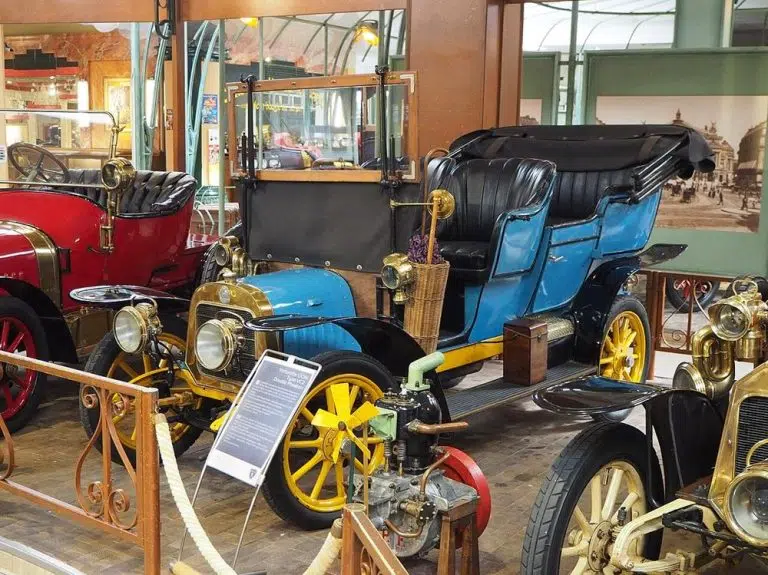
Peugeot’s iconic lineup includes groundbreaking models you’ll love, like the steam-powered Serpollet-Peugeot, which redefined early auto design with its three-wheel innovation. The Peugeot Type 2 marked the shift to gasoline, while the 201 represented a mass-production milestone. Enjoy the 504 Coupe for its style and performance; and for thrills, the 205 GTi reigns as a hot hatch legend. Keep going to uncover why these models remain enduring favorites within Peugeot’s impressive legacy.
The Revolutionary Serpollet-Peugeot
Although Peugeot’s expedition began with coffee mills, the Serpollet-Peugeot marked a revolutionary change into the automotive world. Designed by Armand Peugeot, this initial automobile embodied automotive innovation with its steam power and unique three-wheel design.
You might find its tiller steering intriguing, a distinct departure from the conventional steering wheels of later models. This vehicle wasn’t just a novelty; it held historical significance in the evolution of Peugeot vehicles. As you investigate Peugeot’s storied past, you’ll see how the Serpollet-Peugeot laid the groundwork for the brand’s legendary legacy in the automotive industry.
The shift from manufacturing coffee mills to crafting this pioneering automobile was a bold move that cemented Peugeot’s role as an innovator in vehicle design and engineering. Interestingly, like Peugeot, Honda also made significant strides in the automotive industry, launching successful scooter and motorcycle projects in the 1950s.
Transition to Gasoline: The Peugeot Type 2

After the groundbreaking leap with the Serpollet-Peugeot, Peugeot quickly welcomed the future with the introduction of the Type 2. As the initial Peugeot car to use gasoline engines, it marked a crucial shift in the automotive industry. The Type 2 featured a robust four-stroke, two-cylinder engine, crafted with the expertise of Gottlieb Daimler. This internal combustion marvel had an engine capacity of 565cc, delivering 2PS (1.5kW) of power, which allowed it to reach a top speed of 11 mph.
This made it considerably more practical than its steam-powered predecessor. The Type 2 laid the foundation for Peugeot Sport’s future endeavors and solidified the Peugeot brand’s commitment to innovation and engineering excellence in the rapidly evolving automotive market. Similarly, the four rings in the Audi logo represent the merger of four companies into Auto Union, showcasing the brand’s historical significance and collaborative spirit.
Mass-Production Milestone: The Peugeot 201

In 1929, Peugeot hit a major milestone with the introduction of the 201, their initial mass-produced car. It transformed the automotive landscape by shifting from steam power to gasoline, showcasing Peugeot’s leap in automotive technology. The 201 featured a modest 1.1-litre engine, three-speed transmission, and a top speed of 11mph, proving more practical than its predecessors.
This model laid the groundwork for future successes, helping establish Peugeot as a key player in the early 20th-century automotive industry. The Peugeot 201 was to Peugeot what the 1947 125 Sport was to Ferrari, marking the beginning of a legacy in mass-production for the brand.
- Engine: 1.1-litre with 10PS (7kW)
- Transmission: Three-speed
- Top speed: 11mph
- Significance: Shift from steam to gasoline
- Impact: Set the stage for models like 301, 401, and 601
With robust production and sales, the 201 firmly rooted Peugeot’s automotive legacy.
Stylish and Influential: The Peugeot 504 Coupe

The Peugeot 504 Coupe captured the automotive world’s attention when it debuted at the 1969 Geneva Motor Show, thanks to its stylish design and forward-thinking influence on future Peugeot models. You’ll appreciate how its elegant lines and performance made it a classic in automotive circles. Initially featuring a 1.8-litre four-cylinder engine, the 504 Coupe got a power enhancement in 1974 with a 2.7-litre V6, delivering 138PS (101kW).
This stylish Coupe’s production ran until 1983 in France, with its enduring appeal leading to continued assembly in Africa until 2006. Celebrated for both its design and crucial role in Peugeot’s evolution, the 504 Coupe remains a significant player in the brand’s history, influencing generations of Peugeot cars.
Icon of the Hot Hatch Era: The Peugeot 205 GTi
While the Peugeot 504 Coupe symbolized elegance and sophistication, the Peugeot 205 GTi marked a significant moment in the evolution of hot hatches. This iconic car, launched in 1984, is beloved for its thrilling driving experience and sporty design. The 205 GTi’s compact dimensions and lightweight build, paired with a turbocharged engine, delivered impressive performance. Its standout features included:
- Distinctive Pepper Pot wheels for a unique look
- Disc brakes enhancing stopping power and safety
- Air conditioning for added comfort
- 1.6-litre engine producing an exciting 106PS
- 1.9-litre variant upping the power to 128hp
Thanks to its agile handling and lively style, the 205 GTi remains a benchmark in the hot hatch world, cherished by car enthusiasts everywhere.
Exciting Performance: The Peugeot 106 Rallye
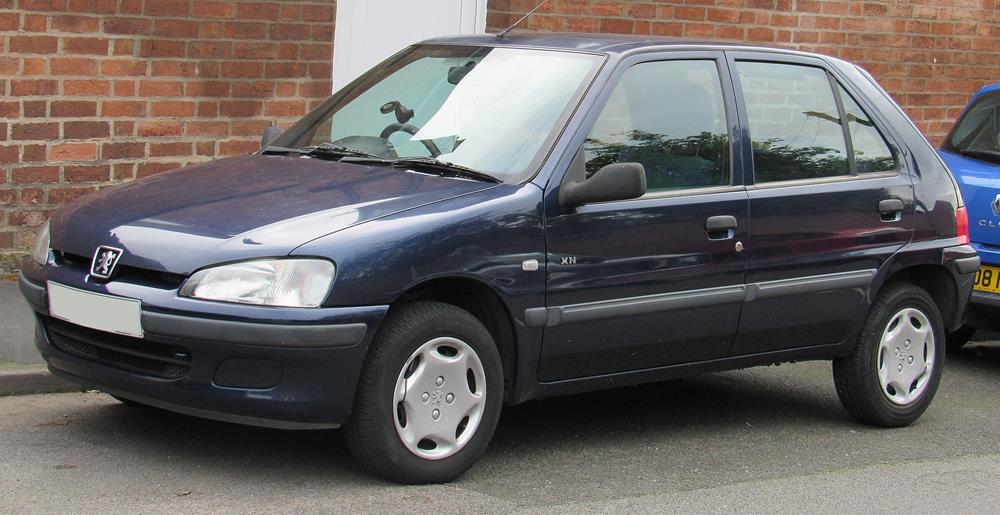
Although the Peugeot 106 Rallye may seem unassuming at initial glance, it packs a punch with its thrilling performance and dynamic handling. Imagine cruising down a Peugeot road, feeling the rush of the 1.3-liter petrol engine pushing out 100hp. This classic among hot hatchbacks offers an engaging driving experience that’s hard to match.
If you’re considering your primary car, the 106 Rallye’s lightweight design and small steering wheel make it incredibly agile, especially on tight back roads. Its rock-solid chassis guarantees stability and responsiveness, giving you confidence during spirited drives. Stripped of unnecessary trim, it adopts a go-cart-like feel, boasting a fun-to-drive character that enthusiasts cherish. This car isn’t just about looks; it’s all about the ride.
Final Thoughts
Peugeot’s legacy is built on groundbreaking innovation, stylish design, and thrilling performance. From the steam-powered Serpollet-Peugeot to the gasoline-driven Type 2, the brand continuously pushed the boundaries of automotive engineering.
The mass-produced 201 set the stage for future success, while the elegant 504 Coupe and the legendary 205 GTi cemented Peugeot’s reputation for both sophistication and excitement. The 106 Rallye added to the brand’s appeal with its lightweight, fun-to-drive nature. Each model reflects Peugeot’s commitment to progress, making their vehicles not just modes of transport but iconic pieces of automotive history.
