

The Kei car phenomenon is Japan’s solution to urban transportation challenges. These compact vehicles, designed to meet specific size and engine regulations, are popular for their practicality, fuel efficiency, and affordability. Kei cars are ideal for navigating Japan’s densely populated, narrow streets and offer tax incentives and lower insurance costs.
The Evolution of Kei Cars
Kei car began in Japan, where the devastation of WWII left the population in dire need of affordable transportation. In response, the government introduced strict regulations to encourage the development of small, efficient vehicles. This led to the birth of Kei cars, designed with compact size and lightweight construction to meet these mandates.
Japanese car manufacturers quickly embraced the challenge, innovating to create vehicles that were small, and also highly efficient. These cars soon became synonymous with fuel efficiency and affordability, offering a practical solution for urban transportation. Their compact size made them perfect for maneuvering through Japan’s crowded streets, while their lightweight design ensured minimal fuel consumption.
Companies like Daihatsu, which sold 539 thousand units in 2022, emerged as leaders in this market, continually refining their designs to meet evolving needs. Over the decades, Kei cars have transformed from mere necessities into cultural icons, celebrated for their practicality and economic benefits. Despite the challenges they face in exporting due to unique designs and regulations, Kei cars remain a testament to Japanese ingenuity and efficiency.
Key Features and Regulations
Kei cars, marvels of Japanese engineering, strictly adhere to government regulations that ensure they remain practical and efficient for urban environments. To qualify as a Kei car, vehicles must meet the following criteria:
- Engine Displacement: Limited to a maximum of 660cc.
- Compact Dimensions: Mustn’t exceed 3.4 meters in length, 1.48 meters in width, and 2 meters in height.
- Tax Incentives: Kei cars benefit from reduced taxes, making them more affordable to purchase and maintain.
Benefits of Kei Cars

Kei cars offer a host of benefits that make them an attractive choice for many drivers, particularly in Japan. Their compact size makes them exceptionally suited for navigating tight spaces, which is common in urban areas. This small footprint also translates to excellent fuel efficiency, helping drivers save on gasoline costs while reducing their environmental impact.
Affordability is another significant advantage of Kei cars. With starting prices around $7,000 USD, they present a cost-effective transportation solution. Kei car owners benefit from lower taxes and insurance premiums due to the cars’ efficient engines and lightweight design. This adds to their economical appeal.
Environmentally, Kei cars stand out as well. Their efficient engines produce fewer emissions, contributing to cleaner air in densely populated cities. The lightweight construction further enhances their eco-friendly characteristics, making them a preferred option for environmentally-conscious drivers. In 2022, Kei cars accounted for 34.1% of Japan’s new car market, reflecting their widespread popularity.
Kei Trucks in Urban Areas
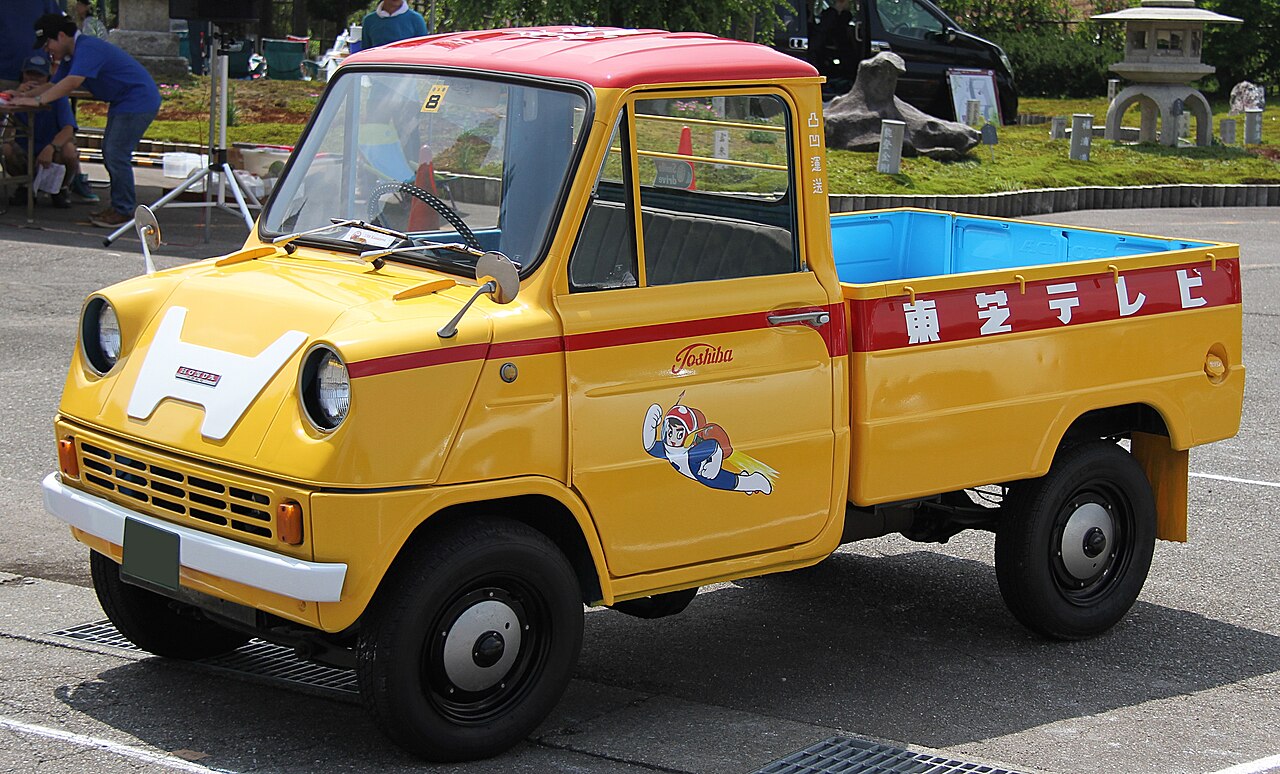
In urban areas, Kei trucks have become essential for their ability to navigate narrow streets and tight spaces effortlessly. These compact vehicles are perfectly suited for congested city environments, addressing various urban challenges.
Kei trucks are extensively used for commercial purposes, such as deliveries and maintenance services. Their versatility makes them invaluable in crowded settings.
Here are three key reasons why Kei trucks thrive in urban areas:
- Efficient Transportation: The compact size of Kei trucks allows for easy maneuvering through narrow streets, reducing the risk of traffic congestion.
- Government Support: Tax incentives and regulations provided by the Japanese government make these vehicles cost-effective for businesses.
- Versatility: Kei trucks meet a broad range of commercial needs, including delivery services, construction work, and small-scale agriculture.
Technological Innovations
Japan’s automotive industry has transformed Kei cars with state-of-the-art technological innovations focused on efficiency and safety. Modern Kei cars feature advancements such as direct fuel injection systems, significantly boosting fuel efficiency. This improvement translates to more miles per gallon on Japanese roads, making Kei cars an ideal urban transportation solution.
Safety features in Kei cars are top-notch. They include electronic stability control and advanced driver assistance systems, ensuring that your ride is both safe and efficient. Connectivity is another strong suit of Kei cars. Enhanced infotainment systems with touchscreen displays allow you to stay connected and entertained while on the move.
Manufacturers are also dedicated to reducing emissions. Advanced engine technologies not only enhance performance but also support sustainable transportation. Kei cars boast low carbon footprints and high fuel efficiency ratings, making them a responsible choice for environmentally conscious drivers.
Frequently Asked Questions
What is a Kei Car?
Kei cars, short for Keijidosha, meaning “light automobile” in Japanese, are compact vehicles designed to meet specific size and engine regulations in Japan. Introduced in the post-war era to promote affordable transportation, Kei cars have strict size and engine limits, usually not exceeding 660cc.
Why Are Kei Cars so Popular in Japan?
Kei cars are popular in Japan due to their affordability, fuel efficiency, and compact size, which make them ideal for navigating narrow streets and congested urban areas. Specific legislation promotes their production, supporting their role as an efficient transportation solution in crowded cities.
What Is Kei Car Concept?
The Kei car concept focuses on compact vehicles specifically engineered to comply with Japan’s stringent regulations on size and engine capacity. These cars are known for their and suitability for urban commuting due to their small dimensions and practicality.
Why Aren T Kei Cars Sold Outside Japan?
Kei cars aren’t sold outside Japan primarily because they don’t meet international safety and emission standards. Consumer preference for larger vehicles in many markets limits their appeal.
Conclusion
Kei cars have greatly improved urban mobility in Japan by addressing local needs with practicality and efficiency. They have transformed daily commuting and set a benchmark for urban vehicle design. As cities worldwide face similar challenges, the Kei car model offers a potential blueprint for sustainable urban mobility solutions.
