
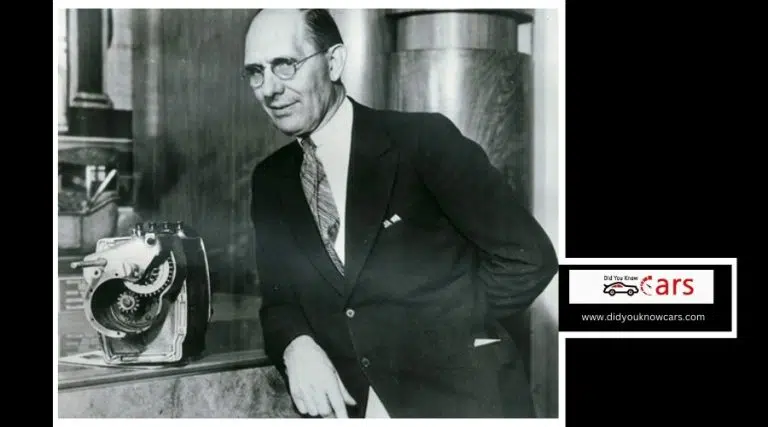
Imagine living in the early 1900s, where starting a car involved significant effort and strength. Enter Charles Kettering, an inventive mind who co-founded Delco in 1909 and transformed the automotive industry with his electric starter in 1912.
This innovation eliminated the cumbersome hand crank and transformed how people interacted with their vehicles. However, Kettering’s contributions extended beyond the automotive realm.
What motivated him to achieve such groundbreaking advancements, and how did his work impact other industries?
Early Life and Education
Charles Kettering, born on August 29, 1876, in Loudonville, Ohio, pursued mechanical and electrical engineering at Ohio State University due to his early fascination with the mechanics of how things worked. This passion led him to earn a degree in engineering at the age of 28.
Kettering’s career took a significant turn when he joined the National Cash Register Company in Dayton, Ohio, as an experimental engineer. Here, his innovative spirit thrived, leading to the development of groundbreaking products that revolutionized the industry. His dual background in mechanical and electrical engineering enabled him to tackle problems from unique perspectives, resulting in pioneering solutions.
Kettering’s tenure at the National Cash Register Company was pivotal, showcasing his technical prowess and ingenuity. This period laid the foundation for future inventions that would secure his legacy in engineering history.
Founding Delco
In 1909, Charles Kettering co-founded the Dayton Engineering Laboratories Company (Delco), pioneering significant advancements in automotive electrical systems. Kettering’s vision for Delco was fueled by his commitment to innovation. His most notable achievement was the development of the electric starter, which transformed automotive technology by making vehicles easier and safer to start.
Prior to this invention, starting a car required a strenuous and hazardous manual crank.
Delco’s dedication to innovation continued to capture the attention of major industry players. In 1918, Delco became a subsidiary of United Motors Corporation, which was subsequently acquired by General Motors. This acquisition provided Delco with the resources and platform to further disseminate its innovative technologies throughout the automotive industry.
Early Innovations
Charles Kettering’s early innovations at Delco, particularly the groundbreaking electric starter, set a new benchmark for automotive technology and safety. When Kettering co-founded the Dayton Engineering Laboratories Company (Delco) in 1909, his vision was clear: to revolutionize automobile technology with cutting-edge electrical equipment. Among Delco’s most significant contributions was the electric starter, a true game-changer.
Before the electric self-starter, drivers had to use a hand crank to start their engines, a task that was both cumbersome and hazardous. Kettering’s invention eliminated this risk, making cars safer and more accessible to a wider audience. The first electric starter was installed in Cadillacs in 1912, instantly transforming the automotive industry.
Under Kettering’s leadership, Delco continued to innovate, developing advanced electrical systems that paved the way for modern automotive engineering. These innovations weren’t just about convenience; they significantly enhanced the overall safety and reliability of automobiles.
Thanks to Kettering and Delco, the foundation was laid for future advancements in automobile technology, forever changing the way we interact with and depend on our vehicles.
The Electric Starter
With the invention of the electric starter, Charles Kettering eliminated the dangerous and cumbersome task of hand-cranking cars. This groundbreaking innovation debuted on the 1912 Cadillac, fundamentally changing how automobiles were started. The manual effort of turning a crank to ignite the engine—a process that was both laborious and hazardous—became a thing of the past. Kettering’s electric starter introduced an integrated electrical system that handled ignition, lighting, and other electrical needs, greatly enhancing driver safety and convenience.
Drivers experienced immense relief and joy as they no longer had to risk injury just to start their vehicles. The electric starter quickly became a standard feature in automobiles, revolutionizing the driving experience. Here’s a snapshot of how Kettering’s invention transformed lives:
| Before Electric Starter | After Electric Starter | Emotion Evoked |
|---|---|---|
| Manual hand-cranking | Automatic ignition | Relief |
| Frequent injuries | Enhanced safety | Security |
| Time-consuming starts | Quick engine start | Convenience |
| Limited electrical use | Integrated system | Innovation |
| Driver apprehension | Driver confidence | Empowerment |
Kettering’s electric starter was more than just an invention; it marked a significant leap in automotive technology, making driving safer and more accessible for everyone.
Impact on Automobile Industry
The introduction of the electric starter into the automobile industry revolutionized vehicle operation, setting new standards for safety, convenience, and accessibility. Before Charles Kettering’s innovation, starting a car required strenuous and often dangerous hand-cranking. With the electric starter, first introduced on the 1912 Cadillac, starting a car became as simple as turning a key, significantly enhancing safety and reliability.
By the 1920s, Kettering’s electric starter had become a standard feature in automobiles, revolutionizing automotive technology. Its widespread adoption made driving more accessible to a broader audience, including women and the elderly, who might’ve struggled with hand cranking. This leap in convenience and accessibility was transformative for the automobile industry.
Additionally, the electric starter laid the groundwork for future innovations in automotive electrical systems. It set a new benchmark for what drivers could expect from their vehicles in terms of ease and reliability. Institutions like the General Motors Institute studied and refined this technology, influencing countless aspects of modern automotive design.
Kettering’s innovation not only changed how cars were started but also paved the way for numerous advancements in automotive technology.
Kettering’s Engineering Genius
Charles Kettering’s development of the electric starter in 1912 was a hallmark of engineering innovation, revolutionizing the automotive industry. Prior to his invention, starting a car required manual hand-cranking, a cumbersome and hazardous task. Kettering’s electric starter eliminated this necessity, significantly enhancing both safety and convenience.
By introducing an electrical system that provided the ignition spark and powered lighting, Kettering did more than just create an electric starter; he laid the foundation for modern automotive systems. The first car to feature this technology was the Cadillac, and it soon became standard across the industry, fundamentally altering vehicle operation.
Kettering’s innovation made automobiles far more user-friendly. Drivers no longer had to struggle with a crank; they simply turned a key. This advancement in ignition and electrical systems paved the way for further technological progress in the automotive field, underscoring Kettering’s enduring influence.
Automotive Innovations
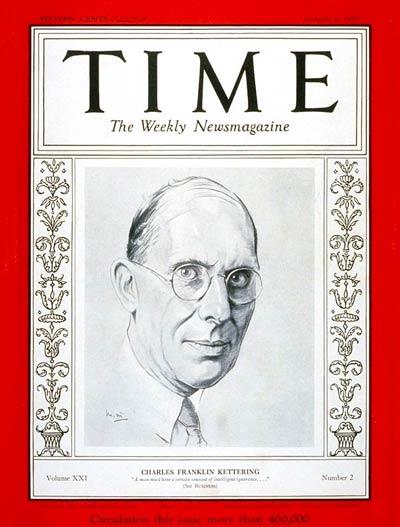
Imagine a time when starting your car meant risking injury from a laborious hand crank. Charles Kettering changed automotive technology with his electric starter, first introduced in the 1912 Cadillac. This self-starter system provided drivers with a reliable method to start their automobiles without the hazardous and strenuous effort of hand cranking.
Kettering’s electric starter didn’t just make starting your car easier; it laid the groundwork for modern automotive systems. By integrating engine spinning, ignition spark, and lighting power, his invention was pivotal in the development of reliable and efficient vehicles.
By the 1920s, Kettering’s self-starter system became a standard feature in automobiles, drastically enhancing safety and ease of use for drivers everywhere.
Kettering’s contributions to automotive technology are monumental. His innovations made driving more accessible and user-friendly, paving the way for the advanced electrical systems we rely on today. Thanks to Kettering, the days of hazardous hand cranks are long behind us, replaced by a simple turn of a key or push of a button, forever transforming the driving experience.
Contributions to Aviation
Kettering transformed not only the automotive world but also made significant strides in aviation by co-founding the Dayton-Wright Airplane Company in 1916. His contributions to aviation technology were pivotal, particularly in the development of innovative electrical systems for aircraft. These advancements significantly enhanced aircraft performance and reliability, setting new standards in the aviation industry.
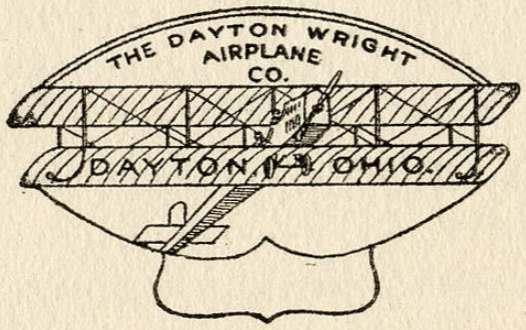
Through his work with the Dayton-Wright Airplane Company, Kettering played a crucial role in establishing foundational technologies that modern aircraft rely on. His electrical systems improved the reliability and overall performance of early aircraft, which were critical at a time when aviation technology was still developing.
Key Contributions of Kettering in Aviation:
| Category | Contribution | Impact |
|---|---|---|
| Aviation Technology | Co-founded Dayton-Wright Airplane Co. | Advanced early aviation technology |
| Electrical Systems | Developed innovative systems | Improved aircraft reliability and performance |
| Aircraft Performance | Enhanced system designs | Set new industry standards |
| Reliability | Focused on dependable designs | Increased trust in aviation technology |
| Innovations | Pioneered electrical engineering | Laid foundations for future aviation innovations |
Kettering’s work in aviation complemented his achievements in the automotive industry, demonstrating his versatility and visionary influence in transforming both fields.
Philanthropy and Research
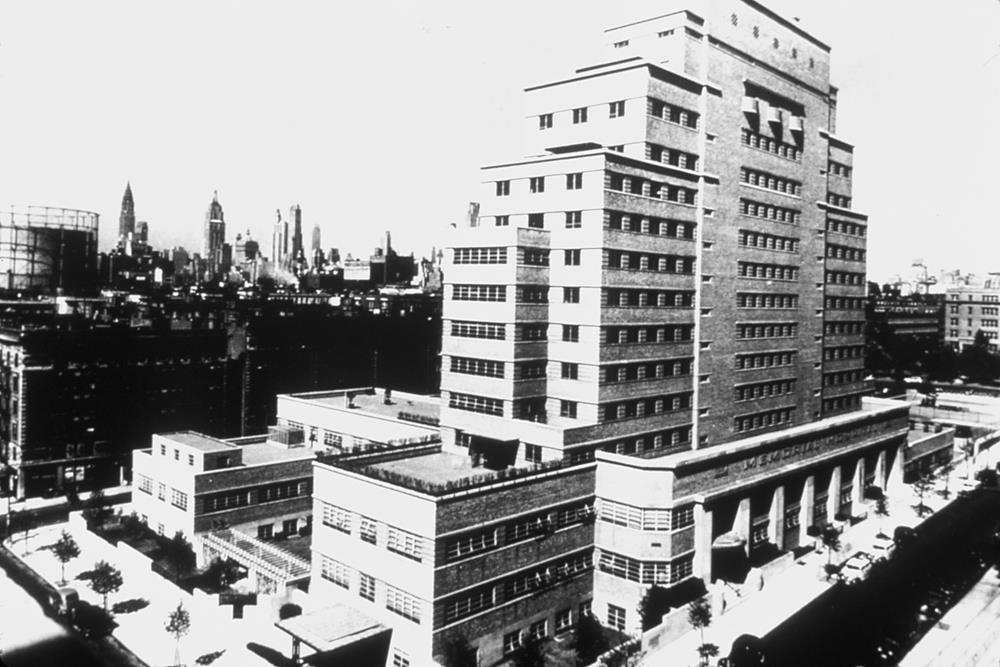
Diving deep into philanthropy, Charles F. Kettering established the Sloan-Kettering Institute for Cancer Research in 1945, marking a significant milestone in medical research. His dedication to cancer research extended further as he substantially contributed to the Memorial Cancer Center, ensuring continued advancements in treatment and understanding.
Kettering’s philanthropic spirit went beyond cancer research. He founded the C.F. Kettering Foundation for the Study of Chlorophyll and Photosynthesis, highlighting his passion for scientific discovery. The foundation aimed to unravel how plants convert sunlight into energy, a process fundamental to life on Earth. This initiative not only advanced our knowledge of photosynthesis but also underscored Kettering’s commitment to supporting groundbreaking research.
His interest in science was evident through his consistent support for various research initiatives. By establishing and funding these institutions, Kettering demonstrated a unique blend of innovation and philanthropy, ensuring his investments had significant impacts in both medical and environmental sciences. Through these endeavors, Kettering’s contributions to cancer research and the study of chlorophyll and photosynthesis have left an indelible mark on the scientific community.
Legacy and Honors
Throughout his life, Charles Kettering’s groundbreaking innovations and philanthropic efforts earned him numerous accolades and a lasting legacy in science and technology. One of his most prestigious honors was his induction into the National Inventors Hall of Fame, which recognized his revolutionary contributions to automotive technology, particularly the development of the electric starter. This invention alone transformed the automotive industry by making cars more accessible and easier to use.
Kettering’s legacy extends beyond this single innovation. He received numerous awards for his work in automotive electrical systems and research. These accolades celebrated not only his technical expertise but also his commitment to pushing the boundaries of engineering.
National Inventors Hall of Fame: Commemorates Kettering’s monumental contributions to innovation.
Electric Starter: Redefined convenience and safety in automotive technology.
Sloan-Kettering Institute: Reflects his dedication to advancing medical research through philanthropy.
Kettering’s innovations continue to influence modern technological advancements, and his name remains synonymous with ingenuity and progress. His philanthropic work, especially the founding of the Sloan-Kettering Institute for Cancer Research, showcases his enduring commitment to improving lives through science and technology.
Conclusion
Reflecting on Charles Kettering’s life, one can’t help but marvel at his relentless drive for innovation. From co-founding Delco to revolutionizing automotive technology with the electric starter, Kettering’s impact is undeniable.
His contributions extended beyond cars to significant advancements in aviation and philanthropy. Kettering’s legacy as a visionary inventor remains ever-present, a testament to how one person’s ingenuity can indeed change the world.
