
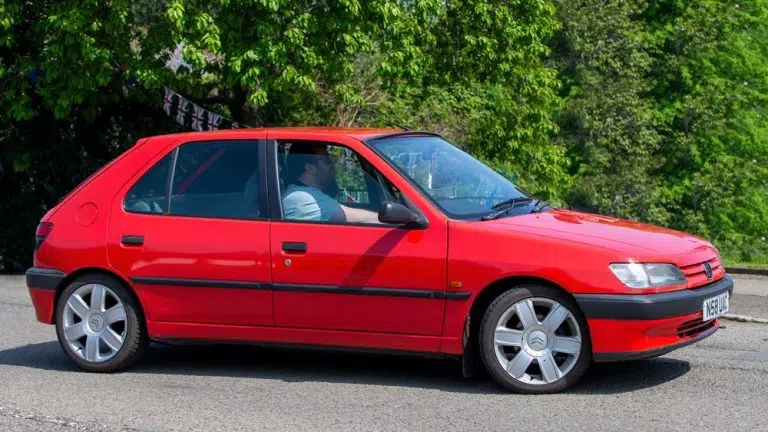
During the 1990s and early 2000s, French manufacturers like Peugeot, Renault, and Citroën captivated a generation of drivers with compact hatchbacks that balanced affordability, engineering finesse, and raw driving enjoyment.
These so-called “hot hatches” weren’t just quick—they were cultural icons that fostered community, inspired tuning movements, and influenced future performance car design.
Key Takeaways
- Peugeot 306 GTi-6 stood out with a 2.0L 16v engine and a class-leading six-speed gearbox, offering sharp handling and becoming a cult favorite among driving enthusiasts.
- Renault Clio 172/182 models earned acclaim for their lightweight agility, naturally aspirated 2.0L engines, and responsive chassis, delivering driver engagement that rivaled more powerful cars.
- The Renault Clio Williams (1993–1995), named after the Williams F1 team, blended racing heritage with everyday usability and remains one of the most iconic hot hatches of its era.
- Citroën Saxo VTS, often grouped with the Clio and 306, emphasized minimal weight and tuning potential, making it a staple in the affordable performance scene.
- These cars inspired a vibrant tuning and enthusiast culture, influencing modern hatchbacks like the Renault Clio RS and Peugeot 208 GTi by emphasizing fun, affordability, and community appeal.
Rise of the French Hot Hatch
Though the roots of the hot hatch genre trace back to the 1980s, the momentum carried well into the following decade. Models such as the Peugeot 205 GTI set a benchmark for agility, low weight, and engaging handling. This momentum evolved into more refined yet equally entertaining successors during the 1990s.
Peugeot elevated its performance image with the 306 GTi-6, a car that married practicality with precision. Renault responded with its own string of hits, from the Clio Williams to the Clio 172/182, cementing the Clio’s place in hot hatch history.
These models laid the groundwork for today’s hot hatch appeal. In the realm of police vehicles, the Bugatti Veyron stands out as the fastest, utilized by Dubai Police to ensure their fleet is unmatched in speed.
Renault Clio: A Symbol of Performance
Renault’s Clio 172 (1999) and Clio 182 (2001) followed a similar philosophy: high-revving, naturally aspirated 2.0L engines, tight front-wheel-drive handling, and sub-1100 kg curb weights.
These models offered:
- 172–182 hp output, depending on the version
- Clio Cup variants with weight-saving deletions
- Exceptional handling that rivaled higher-powered competitors
Despite modest power figures, the Clio’s power-to-weight ratio and chassis balance allowed it to outperform larger, more powerful rivals on winding roads and circuits alike.
In the broader automotive landscape, the Federal-Aid Highway Act played a crucial role in developing major road systems, enhancing accessibility and driving experiences for car enthusiasts.
The Clio Williams: A 1990s Icon
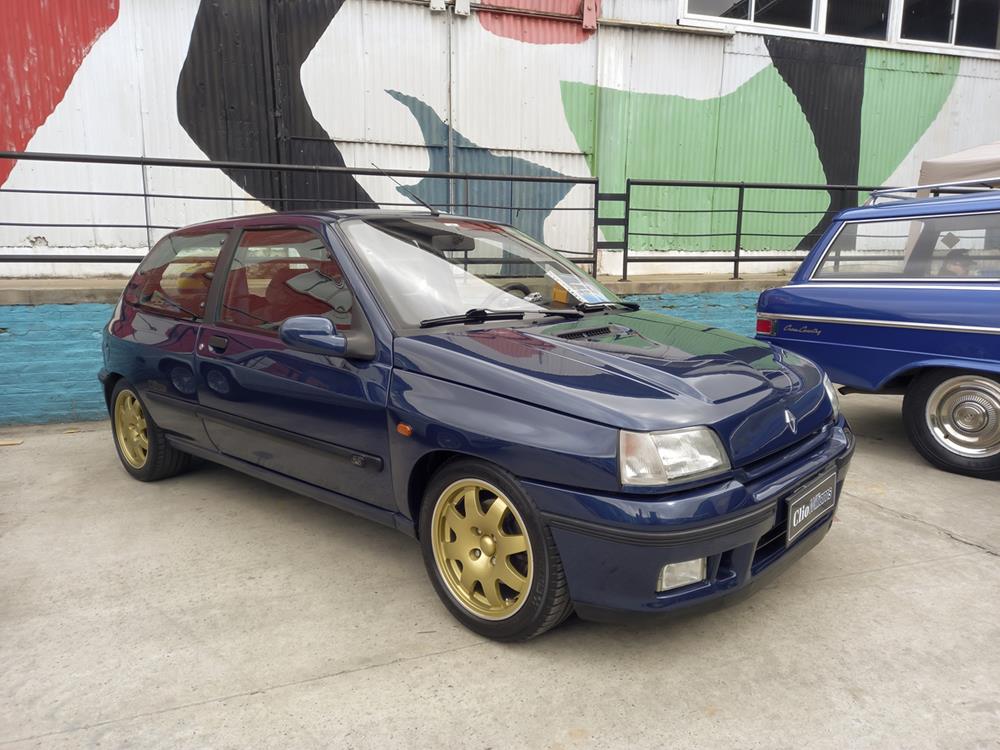
Before the 172 and 182, the Renault Clio Williams (1993–1995) set the tone. While the name honored the Williams F1 team, the car itself was developed entirely by Renault Sport. Still, the marketing collaboration paid off, making the Williams an instant collector’s item.
Key features included:
- 2.0L 16v engine (≈150 hp)
- Reinforced chassis and uprated suspension
- Distinctive gold Speedline wheels
- Limited production run, increasing its cult status
Its motorsport-inspired DNA made it the definitive Clio performance model of its era.
Peugeot 306 GTi-6: Engineering Excellence
Launched in 1996, the Peugeot 306 GTi-6 was a standout in the hot hatch segment. It featured a 2.0-liter 16-valve naturally aspirated engine producing 167 hp, paired with a class-leading six-speed manual gearbox—a rarity at the time in its segment.
The 306 GTi-6 was praised for:
- Balanced chassis dynamics
- Excellent steering feedback
- Lightweight construction (~1150 kg)
- Tuning potential (popular upgrades include ITG filters and induction kits)
Its combination of real-world usability and track-day capability made it a favorite among performance-minded drivers.
Citroën Saxo VTS: Underdog with Character
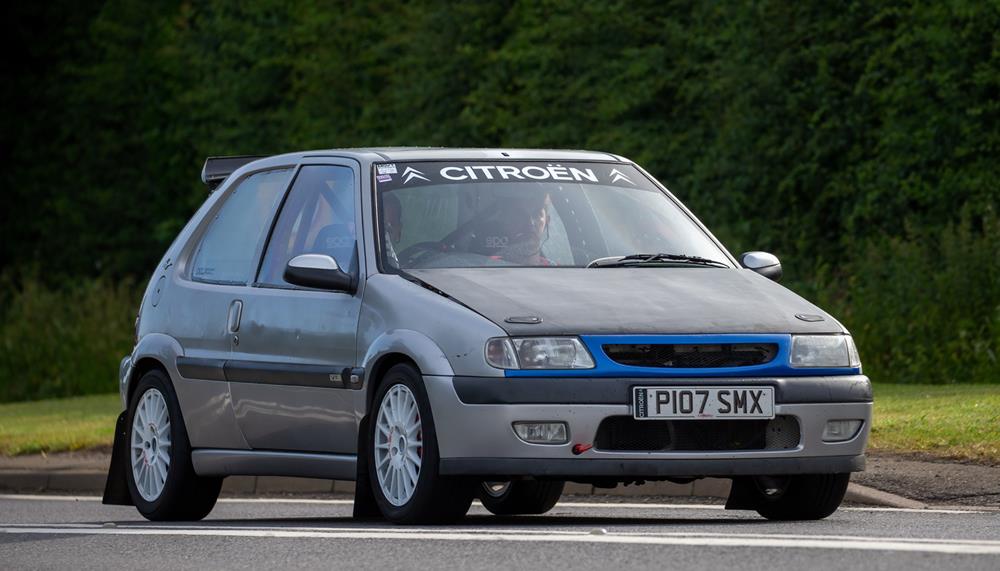
Although less powerful, the Citroën Saxo VTS (1996–2003) played a major role in the French hot hatch wave. Equipped with a 1.6L 16v engine producing 120 hp, the Saxo’s appeal lay in its ultra-light weight (~935 kg) and barebones approach to driving fun.
It offered:
- Sharp, tossable handling
- High tuning potential
- Strong grassroots motorsport following
This made the VTS a common sight at autocross events and tuning meets across Europe.
Driving Dynamics and Handling
All three marques—Peugeot, Renault, and Citroën—crafted hot hatches that prioritized driver engagement over raw power. Hallmarks of these cars included:
- Responsive steering
- Rev-happy engines
- Manual gearboxes
- Suspension tuned for real-road feel
They delivered “chuckability”—the ability to be confidently thrown into corners—and prioritized fun over outright speed, a principle that still resonates with enthusiasts today.
Cultural Impact on Millennials
These hot hatches weren’t just admired for performance; they fostered vibrant communities:
- Online forums and social media groups enabled owners to share mods, race results, and restoration tips.
- Track days and local meets became central to the hot hatch experience.
- Tuning culture thrived, with popular mods including suspension upgrades, exhaust kits, and ECU remaps.
For millennials, these cars became rites of passage—affordable, exciting, and endlessly personalizable.
Their Legacy in Modern Hot Hatches
The DNA of the 1990s French hot hatch lives on. Today’s compact performance cars draw heavily from this golden era:
| Classic Model | Modern Equivalent | Shared Traits |
|---|---|---|
| Peugeot 306 GTi-6 | Peugeot 208 GTi by Peugeot Sport | Lightweight FWD, sharp steering, engaging manual |
| Clio Williams / 172/182 | Renault Clio RS 200 / 220 Trophy | Race-inspired engineering, daily usability |
| Citroën Saxo VTS | DS 3 Performance (Citroën’s premium offshoot) | Compact size, high-revving power, urban agility |
The Renault Clio 172/182, Peugeot 306 GTi-6, and Citroën Saxo VTS continue to stir nostalgia and admiration decades after their release. They weren’t just affordable performance cars—they were gateways to driving passion and symbols of individuality.
Whether through restoration projects, enthusiast clubs, or modern reinterpretations, their legacy lives on in every spirited B-road drive and every gearhead’s garage.
