
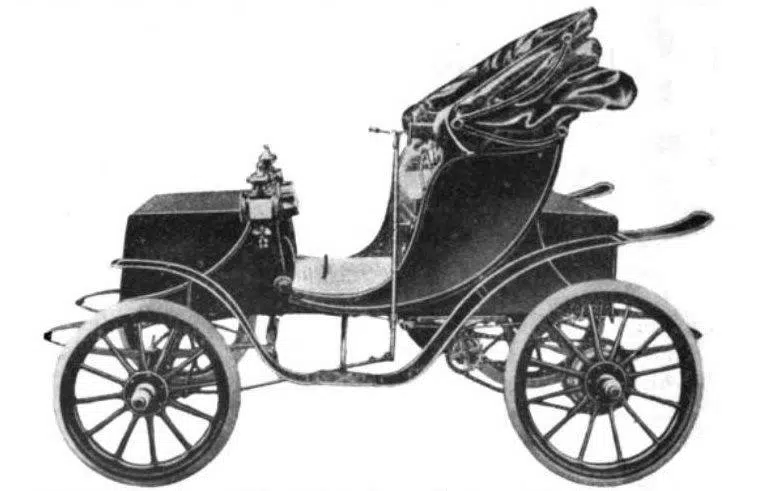
The Woods Motor Vehicle Company, founded in 1899 in Chicago, was a pioneering American manufacturer of electric and hybrid vehicles.
Known for its early development of the Dual Power hybrid car in 1916, Woods was ahead of its time in exploring the potential of combining gasoline and electric propulsion.
Although operations ceased in 1918, its legacy helped shape the direction of modern hybrid and electric vehicle technology.
Key Takeaways
- Pioneer of Hybrid Technology: The Woods Motor Vehicle Company introduced one of the first hybrid cars, the 1916 Woods Dual Power, combining a gasoline engine and electric motor.
- Electric Efficiency in Urban Driving: The Dual Power operated on electricity at speeds up to 15 mph, switching to gasoline power above that—ideal for city use.
- Advanced Features for Its Time: The car featured regenerative braking and an electromagnetic clutch, innovations not commonly found until decades later.
- Market Challenges and High Cost: Priced at $2,650, it was significantly more expensive than competitors like the Buick, limiting mass-market appeal.
- Legacy Despite Short Lifespan: Though the company ceased operations by 1918, its engineering concepts directly influenced the development of modern hybrid electric vehicles.
The Birth of Woods Motor Vehicle Company
Incorporated on September 28, 1899, in Chicago, Illinois, the Woods Motor Vehicle Company was established with a capitalization of $10 million under New Jersey law. Headquartered at 1130 S. Wabash Avenue, the company aimed to capitalize on the growing demand for electric vehicles during the turn of the century.
The company acquired key patents from the Fischer Equipment Company and was led in part by Clinton Edgar Woods, a notable EV advocate and author of the first book on electric vehicles. With a strong financial foundation and visionary leadership, Woods set out to create reliable, quiet, and clean electric vehicles for urban use.
The Lunar Roving Vehicle, famously known as the Moon Buggy, was another groundbreaking development in the automotive industry, showcasing General Motors’ innovation in creating vehicles for space exploration.
Innovations in Early Electric Vehicles
Woods introduced several significant innovations during its early years:
- Dual Electric Motors: The 1904 Woods Stanhope featured two 2.5-horsepower electric motors, offering a respectable top speed of 18 mph.
- Urban-Oriented Designs: Vehicles like coupes and broughams targeted professionals and city residents.
- Reliable Battery Systems: Emphasis on battery durability and smooth operation.
These early vehicles were popular among professionals, especially doctors, for their simplicity and quiet operation.
The Development of the Woods Dual Power
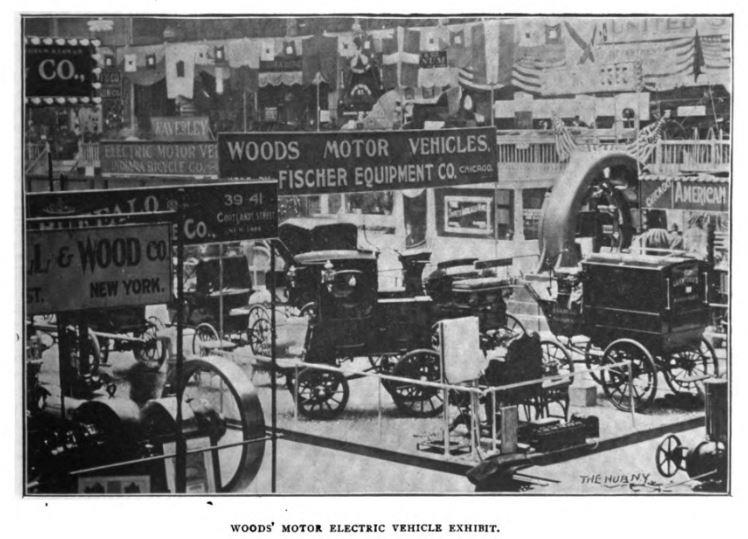
In 1916, Woods launched its most ambitious project: the Woods Dual Power, a hybrid vehicle that operated on both gasoline and electric power.
- It combined a four-cylinder gasoline engine with a DC electric motor-generator.
- The car used electric power for speeds up to 15 mph, then switched to gasoline for higher speeds, reaching a maximum of 35 mph.
- A unique electromagnetic clutch eliminated the need for a transmission and allowed regenerative braking, where kinetic energy recharged the batteries during deceleration.
This vehicle was marketed primarily to urban drivers and women, who valued its ease of operation and smooth city performance.
Challenges and Legacy of the Woods Hybrid
Despite its innovation, the Woods Dual Power faced major challenges:
- Cost: At $2,650, the car was priced well above gasoline rivals like the Ford Model T.
- Performance: Its top speed and acceleration lagged behind newer gasoline cars.
- Complexity: The hybrid system was advanced but unfamiliar to most consumers and mechanics.
- Market Timing: The rapid rise of gasoline infrastructure and falling fuel prices made electric and hybrid options less attractive.
By 1918, the company ceased operations. Yet, its groundbreaking work laid the foundation for many modern technologies, including regenerative braking and gas-electric hybrid propulsion.
Moreover, the automotive safety ratings of the time were not as comprehensive as they are today, which might have influenced consumer confidence in such advanced technology. Ultimately, the Woods Motor Vehicle Company ceased operations in 1918.
Historical Impact on the Automotive Industry
| Year | Event |
|---|---|
| 1899 | Company founded in Chicago; incorporated under New Jersey law. |
| 1904 | Launch of the Woods Stanhope, featuring twin electric motors. |
| 1916 | Introduction of the Woods Dual Power hybrid vehicle. |
| 1918 | Ceased operations due to financial and market challenges. |
The Woods Motor Vehicle Company, though short-lived, left a lasting imprint on automotive innovation. Its development of a hybrid powertrain—combining gasoline and electric propulsion—anticipated key technologies embraced in the 21st century to improve fuel efficiency and reduce emissions.
Perhaps most notably, Woods was among the first to implement regenerative braking, a system that converts kinetic energy back into stored electrical energy, now standard in modern electric vehicles.
These forward-thinking advancements not only placed Woods ahead of its time but also influenced how future automakers would approach hybrid system design and energy recovery technologies, securing the company a place in the foundation of sustainable automotive engineering.
