
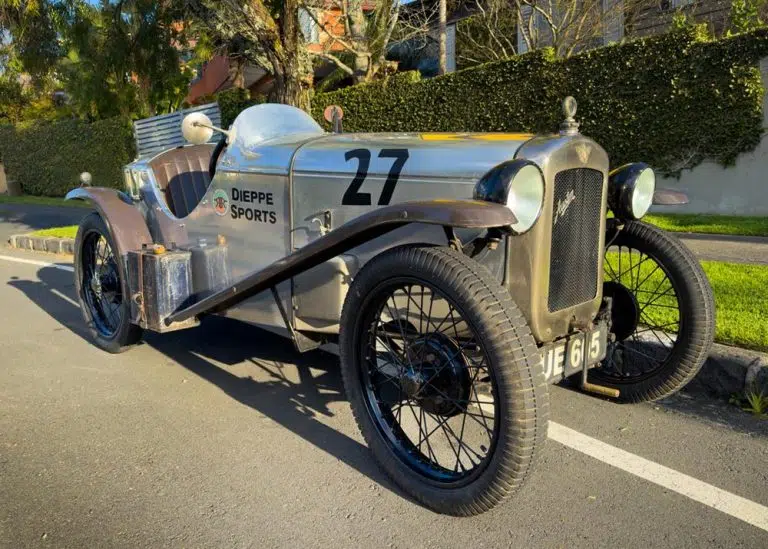
The 1920s marked a pivotal decade in the evolution of Britain’s automotive sector. Amid postwar recovery and economic volatility, manufacturers such as Morris, Austin, and Triumph introduced engineering innovations, revolutionized production, and set new standards in affordability and reliability.
These efforts not only reshaped the domestic market but also influenced global automotive design and manufacturing practices.
Key Takeaways
- Austin Seven (1922) revolutionized affordable motoring, with over 290,000 units produced by 1939.
- Morris became the UK’s leading carmaker by 1924, producing nearly 33,000 vehicles annually.
- Triumph entered the car market in 1923 with the 10/20, transitioning from motorcycle production.
- The Austin Seven inspired international models like the BMW Dixi and early Datsun cars.
- By the late 1920s, British manufacturers adopted American mass-production techniques, enhancing competitiveness.
The Post-War Economic Landscape and Its Impact on the Automotive Industry
In the wake of World War I, Britain’s economy was burdened by debt and industrial transition.
Automotive manufacturers faced high competition, with nearly 100 firms competing for market survival. Yet this adversity stimulated innovation.
Brands like Austin and Morris began adopting American-style mass production techniques, significantly improving output and affordability. Vehicles like the Austin Seven became symbols of economic accessibility, catering to a growing middle-class demand for personal transport.
Across the pond, General Motors’ innovations such as the first fully automatic transmission and air conditioning system for cars, exemplified how technological advancements could transform the automotive landscape, inspiring British manufacturers to innovate further.
The Rise of Morris Cowley: Innovations and Market Strategies
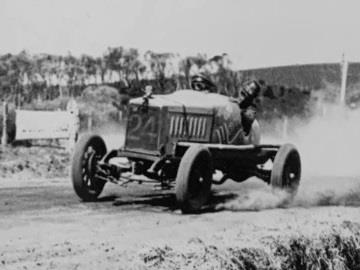
Under William Morris, Morris Motors rapidly scaled production by embracing efficiency-focused manufacturing. By 1924, output reached nearly 33,000 units, making it the UK’s leading carmaker. Notable strategies included:
- Adopting American methods: Inspired by Ford’s techniques to reduce costs.
- Affordable Models: Introduction of the Morris Minor (1928) with an 847cc engine.
- Market Leadership: Launch of the Morris 8hp in 1935, outpacing Ford’s UK models in sales.
By 1926, the Cowley plant was the largest car production site in Europe, a testament to Morris’s innovation and strategic planning.
Similar to how Toyota’s production capabilities allow them to produce a car every 5 seconds, Morris Cowley’s efficient production techniques were pivotal in achieving high output and market dominance.
The Austin Seven: A Revolution in Affordable Motoring
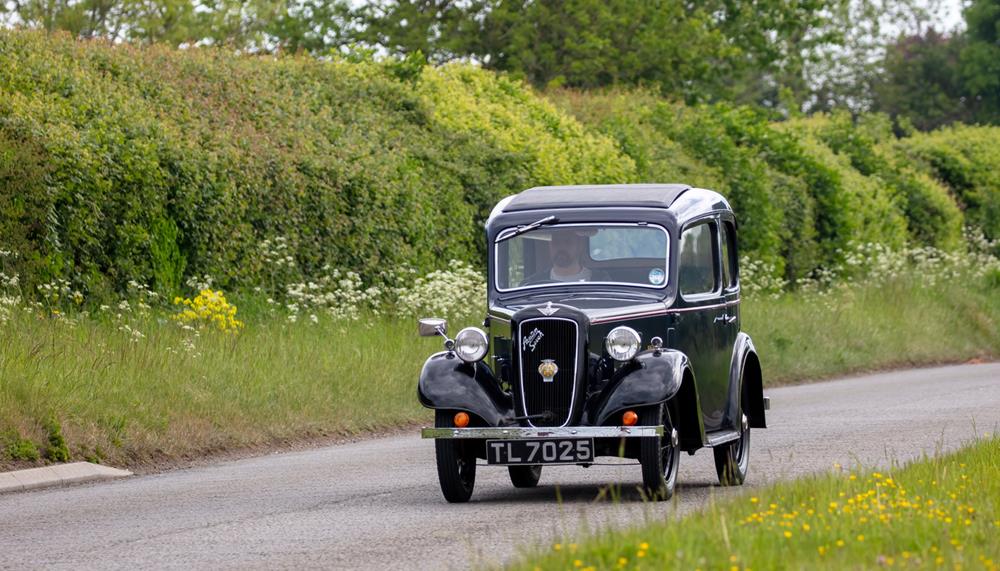
Introduced in 1922, the Austin Seven made private motoring accessible to a wide audience. Its compact design and 696cc engine positioned it between motorcycles and larger cars. Initially priced at £165, the model saw rapid adoption:
- Sales Growth: Reached 14,000 units annually by 1926.
- Dominant Market Share: Held 25% of the UK car market by 1929.
- Legacy Production: Over 290,000 units produced by 1939.
Its success spurred international licensing, including the BMW Dixi in Germany and early Datsun models in Japan.
Triumph’s Early Successes and Contributions to British Automotive Heritage
Formerly known for motorcycles, Triumph entered the automotive scene in 1923 with the 10/20 model, equipped with a 1393cc engine. Triumph differentiated itself by prioritizing styling, comfort, and reliability:
- Model Highlights: Introduction of the Triumph Gloria in the late 1920s expanded its appeal.
- Brand Positioning: Competed directly with Morris and Austin in the mid-size market.
By the end of the decade, Triumph had earned a respected position in British motoring, paving the way for future luxury and performance lines.
The Influence of International Markets on British Car Manufacturing
British manufacturers extended their influence globally during the 1920s. The Austin Seven became a template for foreign production, including:
- Germany: Produced under license as the BMW Dixi 3/15.
- Japan: Inspired designs in the early Datsun lineup.
- United States: American Austin Car Company attempted local production but faced financial challenges.
Export strategies emphasized competitive pricing and adaptable designs, although success varied by market. Notably, General Motors’ 1925 interest in acquiring Austin highlighted the growing strategic value of British automotive firms.
Legacy and Cultural Impact of 1920s British Vehicles
| Aspect | Morris Cowley | Austin Seven | Triumph 10/20 |
|---|---|---|---|
| Launch Year | 1915 (modern version c. 1920s) | 1922 | 1923 |
| Engine Size | ~1.5L (varied by model) | 696cc | 1393cc |
| Price (Initial) | Moderate | £165 | Higher than Austin, competitive with Morris |
| Production Volume | ~33,000 by 1924 (Cowley plant total) | 290,000+ (by 1939) | Lower volume; niche segment |
| Market Focus | Middle-class affordability | Budget and mass-market | Style, reliability, performance |
| Export Influence | Moderate | High (Germany, Japan, U.S.) | Limited |
By the end of the 1920s, the efforts of manufacturers like Morris and Austin had established British automotive design and engineering as globally influential. Their legacies include:
- Mass Accessibility: The Austin Seven helped democratize car ownership.
- Cultural Presence: Vehicles such as the Morris Cowley Tourer became embedded in British culture and media.
- International Legacy: British car designs inspired global innovation through licensing and adaptation.
These milestones laid the foundation for Britain’s postwar automotive success and global reputation for engineering excellence.
